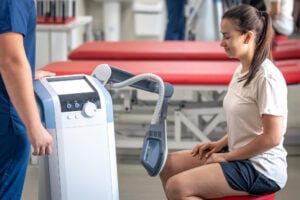
There’s a quiet revolution happening in regenerative medicine, and it’s smaller than you might expect. We’re talking about particles so tiny they can’t even be seen under a standard microscope, yet they carry enough biological information to switch on healing processes your body may have stopped running on its own. Exosome therapy is one of the most talked-about advances in cellular health right now, and for good reason.
If you’ve been searching for exosome therapy Bend and trying to figure out what it actually means, whether it’s worth it, and what the experience looks like, you’re in the right place. Let’s break it all down in plain language, with zero fluff.
Reviewed By: Dr. Drew Collins, ND, Proactive Choice Bend Oregon
Dr. Drew Evan Collins, B.S., N.D., graduated from Bastyr University with his Doctorate in Naturopathic Medicine in 1984. He has served as adjunct faculty at Bastyr University, Southwest College of Naturopathic Medicine, and National College of Naturopathic Medicine. As a founding clinical director, licensed naturopathic physician, and member of the American Academy of Ozone Therapy, Dr. Collins has spent four decades guiding patients through cutting-edge integrative therapies at Proactive Choice in Bend, Oregon.
What Exactly Are Exosome Therapy Bend ? (And Why Should You Care)
Think of your cells as busy workers inside a factory. They don’t just sit there doing their jobs in isolation. They constantly send messages back and forth to coordinate repairs, signal when something’s wrong, and tell neighboring cells what to do. Exosomes are the messengers in that system. They’re tiny extracellular vesicles, essentially nano-sized bubbles, that travel from cell to cell carrying proteins, growth factors, lipids, messenger RNA, and microRNA.
In simple terms, exosomes are your body’s internal email system. They carry biological instructions from one cell to another, telling tissues to regenerate, calm down inflammation, or ramp up collagen production. When that communication system gets disrupted through aging, injury, or chronic illness, healing slows down. Exosome therapy steps in to restore those signals.
How Exosomes Differ From Stem Cells
This is where a lot of confusion lives. People often hear “exosome therapy” and assume it’s just another name for stem cell treatment. It isn’t. Stem cells are living cells that can replicate and differentiate into other cell types. Exosomes are not cells at all. They don’t replicate. They don’t engraft into tissue. They work by delivering signals that instruct your existing cells to behave differently, to heal faster, reduce inflammation, or produce more of what the tissue needs.
That distinction matters clinically. Exosomes tend to carry fewer regulatory concerns than live cell therapies, can be standardized more precisely, and are generally well-tolerated with minimal immune response because they don’t contain cellular nuclei.
Where Do Therapeutic Exosomes Come From?
In clinical settings, exosomes used for therapy are typically derived from mesenchymal stem cells, usually sourced from ethically donated umbilical cord tissue or placental tissue after healthy, full-term births. These sources are rich in young, highly active exosomes packed with potent growth factors and regenerative signals. The exosomes are isolated, purified, and quality-tested before use, ensuring a consistent and predictable therapeutic product.
How Does Exosome Therapy Actually Work in the Body?
Once introduced into the body, whether through injection, intravenous infusion, or topical application depending on the treatment goal, exosomes get to work by merging with target cells and delivering their molecular cargo. That cargo triggers a cascade of cellular responses.
The Signaling Science Behind the Treatment
When exosomes reach damaged or aging tissue, the growth factors and RNA molecules they carry activate pathways that promote tissue repair, modulate immune activity, and stimulate the production of collagen, elastin, and other structural proteins. They also carry anti-inflammatory signals that can calm chronic low-grade inflammation, which underlies a huge range of health concerns from joint degeneration to skin aging to brain fog.
Why Cellular Communication Is the Key to Healing
Here’s a useful analogy. Imagine your body’s healing capacity as a construction crew. When you’re young and healthy, that crew gets clear instructions, has plenty of materials, and works efficiently. As you age or accumulate injuries, the communication breaks down. Workers show up without knowing what to build. Exosomes are like a highly detailed set of blueprints dropped directly onto the construction site. They don’t do the building themselves. They tell your existing cells exactly what needs to happen and how to do it.
This is why exosome therapy can complement other regenerative treatments so effectively. It amplifies the body’s own healing intelligence rather than replacing it.
The Real Benefits of Exosome Therapy in Bend OR

The range of conditions and goals that exosome therapy can support is genuinely broad. Here’s where clinical evidence and patient experience intersect most meaningfully.
Skin Rejuvenation and Anti-Aging Results
For skin health, exosome therapy is generating serious interest in aesthetic medicine. When applied topically or in combination with microneedling, exosomes deliver growth factors directly into the dermis where collagen synthesis happens. Patients typically report improvements in skin texture, firmness, fine line reduction, and overall radiance. Results tend to be progressive rather than immediate, building over several weeks as cellular activity increases.
Unlike filler or Botox approaches that essentially cover the signs of aging, exosome therapy works at a cellular level to actually improve the quality of the tissue itself. That’s a fundamentally different kind of result.
Joint Pain, Inflammation, and Tissue Repair
Joint injections with exosomes are used to address degenerative conditions like osteoarthritis, chronic tendon injuries, and soft tissue damage that hasn’t responded to conventional treatment. The anti-inflammatory and tissue-regenerating signals in exosomes can help reduce joint pain, improve mobility, and potentially slow the progression of cartilage breakdown.
Patients looking for exosomes treatment near me often arrive after years of managing pain with medications or cortisone shots that address symptoms without doing anything for the underlying tissue damage. Exosome therapy aims at the root of the problem.
Brain Health and Cognitive Support
Intravenous exosome therapy is being explored for its neuroprotective potential. The signaling molecules in exosomes can cross the blood-brain barrier and influence neurological function, reducing neuroinflammation and supporting myelin repair. Patients dealing with brain fog, early cognitive decline, or post-concussion symptoms represent a growing area of interest at integrative clinics.
Hair Restoration and Scalp Health
Scalp injections with exosomes are showing real promise for patients experiencing early-stage hair thinning or pattern hair loss. The growth factors delivered by exosomes stimulate dormant hair follicles, improve scalp circulation, and support the production of keratinocytes, the cells responsible for hair shaft growth. Many patients report visible improvement in hair density and thickness after a series of treatments.
Who Is a Good Candidate for Exosome Treatment?
Conditions That Respond Well to Exosome Therapy
Exosome therapy tends to work best when there’s active tissue that can still respond to regenerative signals. Good candidates typically include people dealing with osteoarthritis or chronic joint pain, early-stage hair loss, aging or sun-damaged skin, post-injury tissue repair, chronic fatigue with an inflammatory component, and those looking to optimize cellular health and longevity proactively.
Who Should Wait or Explore Other Options First
Exosome therapy is not a substitute for surgical intervention in advanced structural damage. Someone with a completely torn ligament or severe end-stage joint disease may need structural repair before regenerative support can be meaningful. Additionally, active infections, certain autoimmune conditions in flare, and specific cancers require careful evaluation before any regenerative therapy is considered. A thorough consultation with Dr. Collins establishes whether exosome therapy is appropriate for your specific situation.
How Exosome Therapy Compares to Other Regenerative Treatments
Exosomes vs. Stem Cell Therapy

Stem cell therapy uses living cells, typically derived from your own bone marrow or fat tissue, or from donor sources. Stem cells can differentiate and become new tissue types. They’re powerful but also more variable in outcome and carry more regulatory complexity. Exosomes, by contrast, offer a more standardized, cell-free approach that many clinicians find easier to dose consistently and combine with other therapies.
The two approaches aren’t mutually exclusive. In some treatment protocols, exosomes are used alongside stem cell therapy to amplify the signaling environment and improve outcomes.
Exosomes vs. PRP Therapy
Platelet-rich plasma therapy uses concentrated platelets from your own blood to deliver growth factors to injured tissue. PRP is well-established and effective for a range of musculoskeletal and aesthetic applications. Exosomes carry a broader and more diverse set of signaling molecules compared to PRP, and because they’re sourced from young, highly active donor cells rather than your own potentially aging blood, the biological potency may be higher.
For some patients, PRP is the right starting point. For others, particularly those who haven’t responded fully to PRP alone, exosomes can represent a meaningful step forward.
What to Expect During Your Exosome Therapy Session in Bend
The Consultation Process at Proactive Choice
Your first step at Proactive Choice is a thorough consultation with Dr. Collins. This covers your health history, current symptoms, treatment goals, and any prior regenerative or conventional treatments you’ve tried. Depending on your goals, specific lab work or imaging may be requested to ensure exosome therapy is the right fit and to identify the optimal delivery method and dosage.
Dr. Collins takes the time to walk you through exactly what the treatment involves, what outcomes are realistic for your situation, and how exosome therapy fits into your broader care plan. No overselling, no pressure, just a clear and honest clinical conversation.
During and After Your Treatment
The actual treatment session is relatively straightforward. Depending on the area being treated, exosomes may be administered via injection into a specific joint or scalp area, intravenously for systemic effects, or combined with microneedling for skin applications. Sessions are typically completed within 30 to 90 minutes depending on the protocol.
Downtime is minimal. Most patients return to their normal activities the same day, though some localized swelling or mild soreness at injection sites can occur temporarily. Results build progressively over weeks and months as the cellular signaling cascade unfolds. Follow-up appointments allow Dr. Collins to assess your response and determine whether additional sessions or complementary therapies would amplify your results.
Why Bend Oregon Patients Are Choosing Proactive Choice for Regenerative Care
Bend has a health-forward, active population. People here ski, mountain bike, hike, and work physically demanding jobs. They also pay attention to what they put in and on their bodies. When something isn’t working the way it should, whether that’s a knee that keeps flaring up, energy that’s not coming back after injury, or skin that’s aging faster than expected, Bend residents tend to look for solutions that address the root cause rather than just managing symptoms.
Proactive Choice offers regenerative therapies including exosome treatment within a framework of comprehensive naturopathic care. Dr. Collins doesn’t administer exosome therapy in isolation. He integrates it with nutritional support, IV therapy, hormonal optimization, and other evidence-informed approaches to make sure your body has everything it needs to respond and heal effectively.
That whole-person context is what separates meaningful regenerative results from one-off procedures that don’t stick.
Conclusion
Exosome therapy represents a genuinely exciting development in regenerative medicine. It works with your body’s own cellular intelligence, delivering precise biological signals that prompt tissue repair, reduce inflammation, and restore function in ways that older therapies simply can’t replicate. Whether your goal is healthier skin, relief from chronic joint pain, improved hair density, or broader cellular optimization, the science behind exosomes offers a compelling path forward.
If you’ve been curious about exosome therapy in Bend and wondering whether it fits your health situation, the best next step is a conversation with someone who understands both the science and your individual biology. At Proactive Choice, that’s exactly what you get.
Frequently Asked Questions
How many exosome therapy sessions will I need to see results?
The number of sessions depends on what you’re treating and your individual response. For skin rejuvenation, many patients see meaningful results after one to two sessions, with continued improvement over several months. For joint conditions or hair restoration, a series of two to three sessions spaced several weeks apart often produces the most lasting outcomes. Dr. Collins assesses your progress after each treatment and adjusts your protocol accordingly rather than using a fixed formula.
Is exosome therapy painful?
Most patients describe the experience as very tolerable. For joint or scalp injections, a local numbing agent is applied beforehand to minimize discomfort. The injections themselves are brief. IV administration is similar to a standard infusion and is generally very comfortable. Post-treatment soreness, if any, typically resolves within 24 to 48 hours.
How is exosome therapy regulated and is it safe?
Exosome products used in clinical settings in the United States are subject to FDA oversight as biological products. When sourced from reputable suppliers with rigorous testing protocols and administered by a licensed, experienced provider like Dr. Collins, exosome therapy has a strong safety profile. The products used at Proactive Choice are sourced from ethically donated birth tissues and undergo extensive quality testing before use.
Can exosome therapy be combined with other treatments at Proactive Choice?
Absolutely, and in many cases combining therapies produces better results than any single approach alone. Exosomes are frequently paired with PRP, ozone therapy, IV nutrition, or hormonal optimization at Proactive Choice depending on the patient’s goals. Dr. Collins designs integrated protocols that make sense for your specific health picture rather than offering a menu of isolated procedures.
What is the cost of exosome therapy in Bend OR, and is it covered by insurance?
Exosome therapy is not currently covered by insurance as it falls under regenerative and functional medicine. Costs vary depending on the area being treated, the dosage required, and whether it’s part of a broader treatment protocol. Proactive Choice accepts HSA and FSA funds, and the team can walk you through what to expect during your consultation. Many patients find the investment worthwhile given the lasting and root-cause nature of the results compared to ongoing symptom management.