
Good detox drinks are really good hydration drinks: water, fruit, vegetables, herbs and spices that make it easier to drink more fluid and eat more plants. That is worth doing. What no drink can do is pull “toxins” out of your body on its own. Your liver and kidneys already handle that, around the clock. Below are seven healthy detox drinks you can make at home in a few minutes, with simple recipes, what each one actually offers and who should skip certain ingredients.
What detox drinks can and cannot do
The National Center for Complementary and Integrative Health (NCCIH) reviewed the research on detox and cleanse programs and found “no compelling research to support the use of ‘detox’ diets for weight management or eliminating toxins from the body.” Where people did lose weight on a cleanse, they tended to regain it once they went back to a normal diet.
That does not make the drinks below useless. They can help you:
- Drink more water, which your kidneys need to do their job.
- Replace soda, sweet coffee drinks or alcohol with something lower in sugar.
- Get more fruit, vegetables and fiber, especially from smoothies that keep the whole produce.
Think of them as a better daily habit, not a cleanse. If you want to understand how detoxification works in the body, read what detox actually means clinically.
7 healthy detox drinks you can make at home
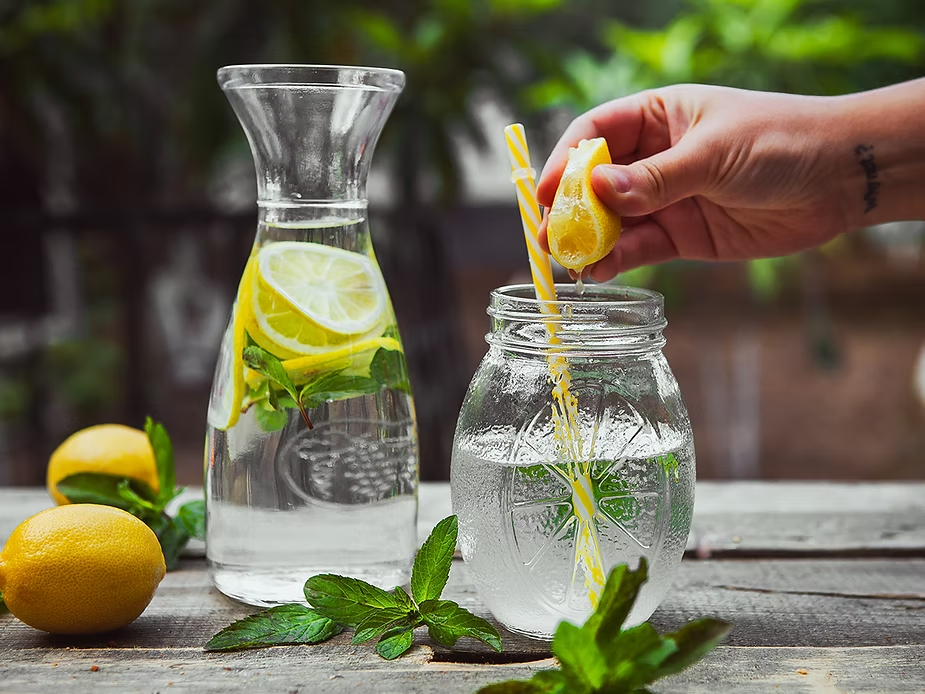
1. Lemon and mint infused water
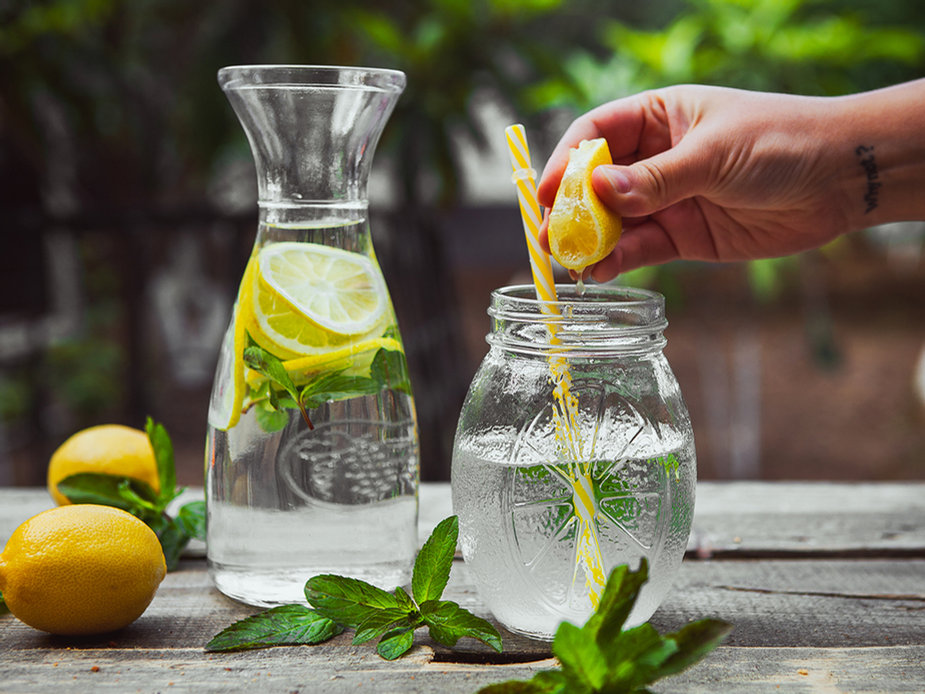
You need: 1 lemon, thinly sliced; a small handful of fresh mint; about 2 quarts of cold water.
How to make it: Lightly crush the mint between your fingers, add it to a pitcher with the lemon slices and water, and refrigerate for 1 to 2 hours. Drink within a day.
Why it helps: It is the easiest way to make plain water more appealing. Lemon adds a little vitamin C and flavor without sugar. Claims that lemon water “kickstarts your metabolism” are not backed by good evidence, so we have dropped them. If you get heartburn or have sensitive tooth enamel, acidic drinks can bother you. Drinking through a straw and rinsing with plain water helps.
2. Green smoothie
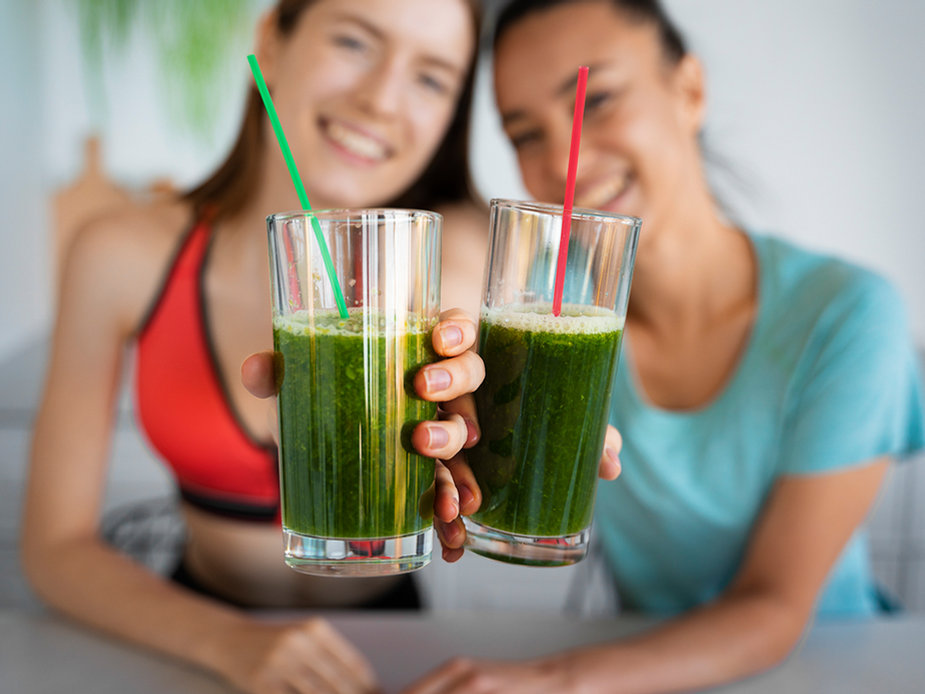
You need: 1 packed cup of spinach or kale, half a cucumber, 1 celery stalk, half a green apple or half a frozen banana, and about 1 cup of coconut water or plain water.
How to make it: Blend until smooth. Add ice if you like it cold.
Why it helps: Blending keeps the fiber, unlike juicing. Leafy greens bring vitamins A, C and K, folate and potassium.
Be careful if: you take warfarin (Coumadin). NIH’s Office of Dietary Supplements says vitamin K “can have a serious interaction” with warfarin and advises keeping vitamin K intake about the same every day. A daily kale smoothie is fine if it is consistent and your prescriber knows about it. Suddenly starting or stopping one is the problem. People prone to kidney stones should also know that NCCIH lists leafy green vegetables among high-oxalate foods and advises people susceptible to stones to limit them.
3. Cucumber and ginger cooler
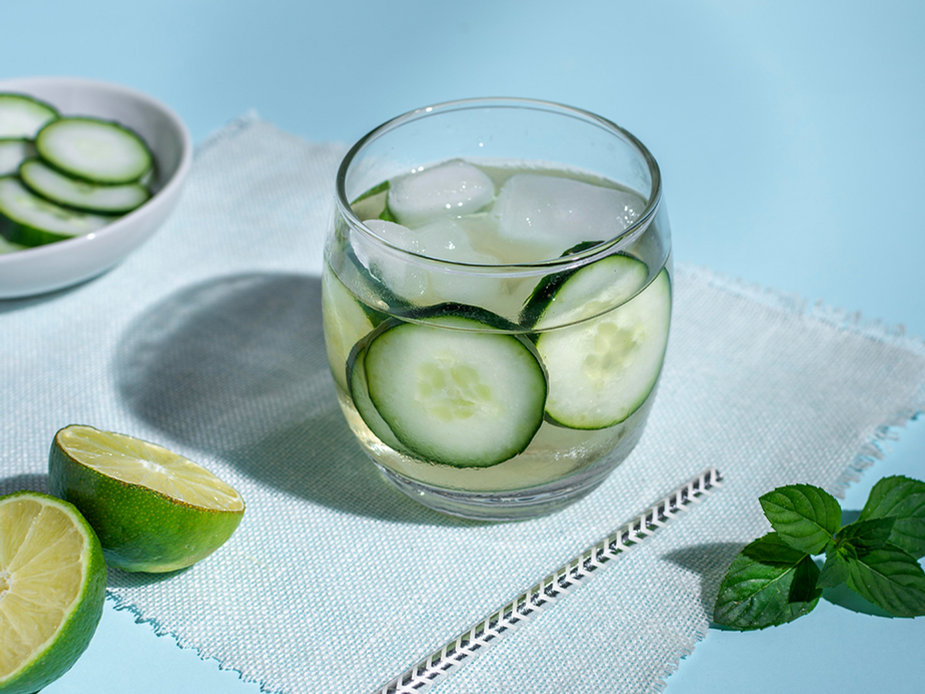
You need: half a cucumber, thinly sliced; a thumb-sized piece of fresh ginger, peeled and sliced; about 2 quarts of water.
How to make it: Combine in a pitcher and refrigerate for 2 to 4 hours. The longer it sits, the spicier it gets.
Why it helps: Cucumber gives water a clean, mild flavor. NCCIH says ginger may help with nausea and vomiting in pregnancy. Ginger can cause heartburn or stomach upset in some people, and if you take medications, NCCIH suggests talking with your provider about possible interactions.
4. Berry and lime water
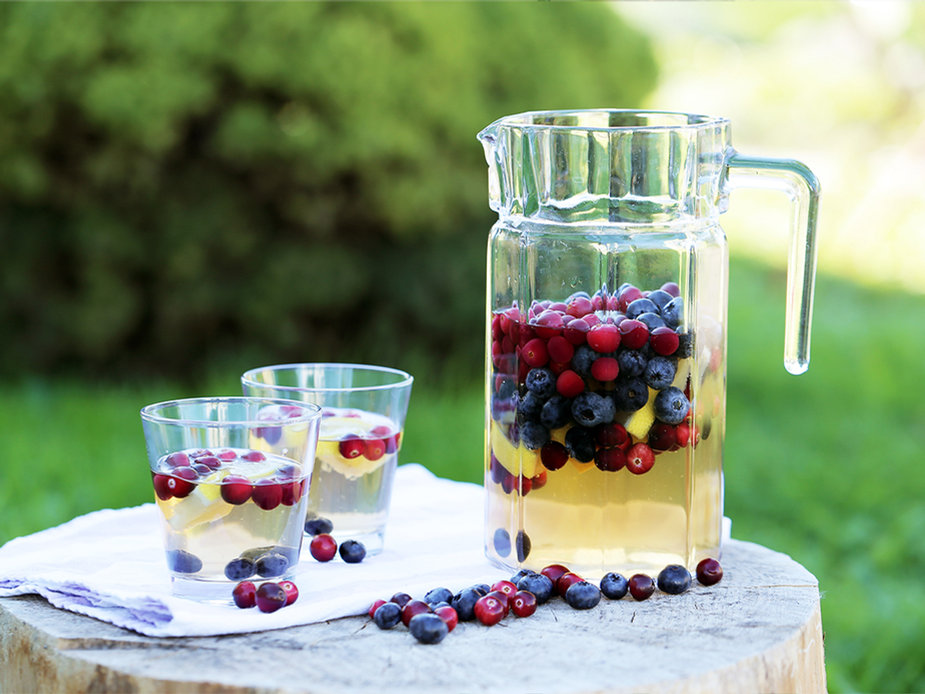
You need: 1 cup of mixed berries (strawberries, blueberries, raspberries, fresh or frozen), half a lime, sliced, and about 2 quarts of water.
How to make it: Lightly mash half the berries to release color and flavor, then add everything to a pitcher and chill for 1 to 2 hours.
Why it helps: It tastes like a light fruit soda with no added sugar, which makes it a good swap for kids and for anyone trying to cut back on sweet drinks. Eat the berries at the end. Most of the fiber and antioxidant compounds stay in the fruit, not the water.
5. Turmeric tea
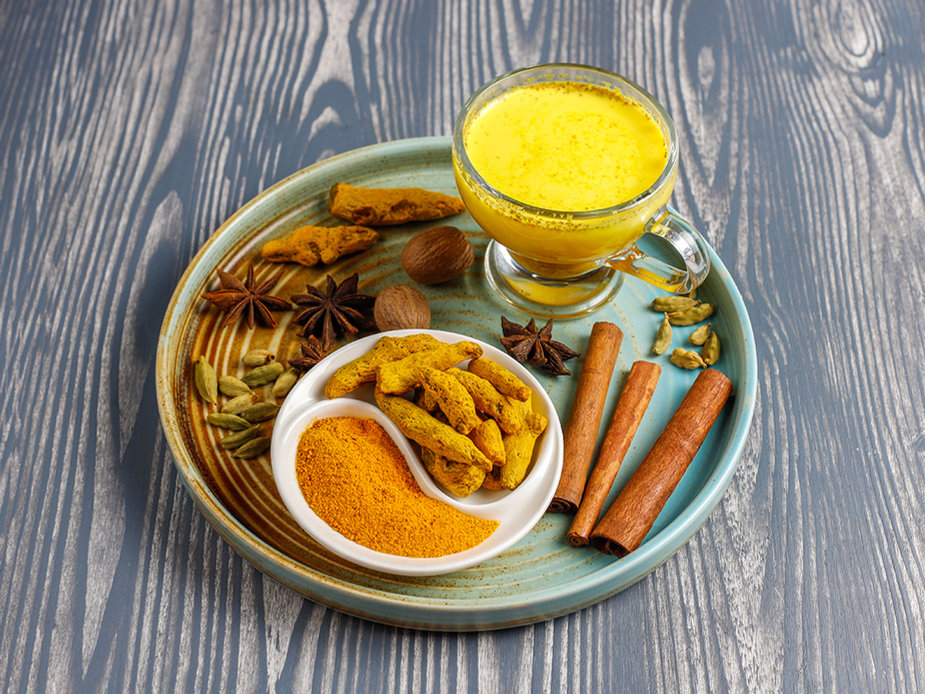
You need: 1 cup of hot water or warm milk, half a teaspoon of ground turmeric, a pinch of black pepper, and honey or lemon to taste.
How to make it: Whisk the turmeric and pepper into the hot liquid, let it sit for a few minutes and stir again before drinking, since turmeric settles.
Why it helps: It is a warm, caffeine-free evening drink. Black pepper is often added because it is thought to help the body absorb curcumin, turmeric’s main compound. NCCIH says there is not enough evidence to conclude that turmeric or curcumin helps any health condition, so enjoy this for the flavor.
Be careful if: you are pregnant (NCCIH says turmeric supplements may be unsafe in pregnancy) or take prescription medication. Cooking amounts of turmeric in a mug of tea are very different from concentrated supplements, and NCCIH notes liver injury reports with some high-absorption curcumin products.
6. Pineapple and coconut water

You need: 1 cup of fresh pineapple chunks and 1 cup of unsweetened coconut water, plus ice.
How to make it: Blend and serve right away. For a lighter version, add a few pineapple chunks to a glass of coconut water and let it sit.
Why it helps: It is a good post-hike drink on a hot Central Oregon afternoon. Coconut water contains potassium and other electrolytes, and fresh pineapple contains bromelain, a protein-digesting enzyme.
Be careful if: you have kidney disease or take medications that raise potassium, since coconut water contains potassium. Ask your clinician first. The blended version also has a fair amount of natural sugar, so people with diabetes may want the lighter version.
7. Herbal infusion with dandelion, nettle and chamomile
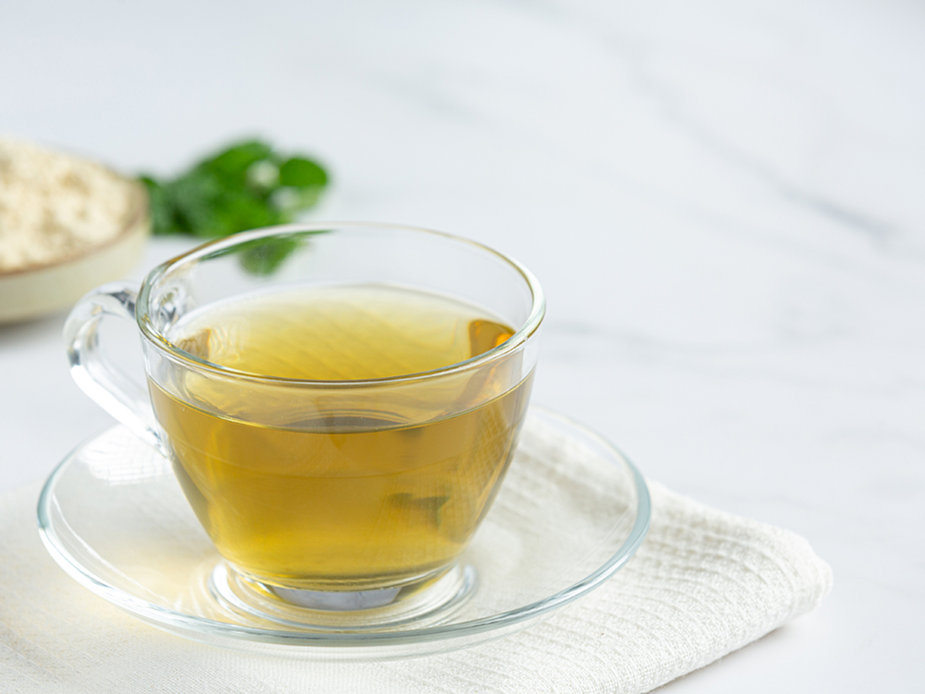
You need: 1 teaspoon of a dried blend of roasted dandelion root, nettle leaf and chamomile flowers per cup of hot water. Loose herbs or tea bags both work.
How to make it: Pour just-boiled water over the herbs, cover and steep for 5 to 10 minutes. Strain.
Why it helps: Roasted dandelion root has a toasty, coffee-like flavor, which makes this a nice caffeine-free swap for an afternoon coffee. Traditionally, dandelion is described as supporting the liver, but NCCIH says there is “no compelling scientific evidence” for dandelion in any health condition.
Be careful if: you take diabetes medication, blood thinners or water pills, since NCCIH lists theoretical interactions with dandelion. Chamomile and dandelion are both in the daisy family, so talk with your clinician first if you are allergic to ragweed or daisies. Check with your clinician if you are pregnant.
Who should be careful with detox drinks and cleanses
The seven drinks above are everyday recipes, not a cleanse. Juice-only fasts, laxative teas and multi-day “flush” programs are a different story. NCCIH warns that:
- Unpasteurized juices can carry harmful bacteria, which is especially risky for children, older adults and people with weakened immune systems.
- Laxative-based products can cause diarrhea, dehydration and dangerous electrolyte imbalances.
- People with diabetes, kidney disease, heart disease or a history of digestive disease face higher risks from cleanse programs.
If you are pregnant or breastfeeding, stick with plain water and food-level ingredients, and ask your clinician before using herbal teas regularly.
Frequently asked questions
What are good detox drinks?
Water-based drinks with fruit, vegetables, herbs or spices, such as lemon and mint water, cucumber and ginger water, berry water, green smoothies and caffeine-free herbal teas. They support hydration and help you replace sugary drinks.
What is the best natural drink to flush your system?
Plain water. Your kidneys filter your blood and remove waste, and they need enough fluid to do it. Flavoring water with fruit or herbs is a fine way to drink more of it. Drinking huge volumes quickly is not better and can be harmful.
Is there a full body detox drink?
No drink detoxifies the whole body. The liver, kidneys, lungs, gut and skin do that work. Drinks can support those organs indirectly through hydration and nutrition.
Do detox drinks help with weight loss?
Not directly. NCCIH found no compelling evidence that detox diets help with weight management, and any quick loss tends to come back. Swapping sugary drinks for these recipes can cut calories, which helps over time.
How often can I drink homemade detox drinks?
The infused waters are fine every day. Herbal teas are usually fine at a cup or two a day for healthy adults. Check the “be careful if” notes above for your situation.
Are detox drinks safe for kids?
Fruit-infused water is a great option for kids. Skip herbal blends and turmeric drinks for young children unless their pediatric clinician agrees.
Do detox drinks help you pass a drug test?
This article is about everyday healthy drinks, not drug-test products. We do not recommend those products, and drinking large amounts of fluid in a short time can be dangerous.
When a drink is not enough
Ongoing fatigue, brain fog, digestive problems or concerns about mold, lead or other exposures deserve a proper evaluation, not a juice cleanse. At Proactive Choice in Bend, Dr. Drew Collins, ND, offers detoxification care that starts with a medical history and appropriate testing. If weight is your main goal, our weight loss clinic is a better starting point, and for more recipes, see our 10 homemade detox drinks.
Proactive Choice is at 601 NW Harmon Blvd #10, Bend, OR 97703. Call (858) 333-5196 or book a consultation online.
This article is general education, not medical advice. Talk with your own clinician before making major diet changes, especially if you are pregnant, take prescription medication or have a chronic condition.
Want to talk this through for your own health? Book a visit with Dr. Drew Collins, ND at 601 NW Harmon Blvd in Bend, or call (858) 333-5196.