
What causes hormone imbalance? Most often it is one of a short list: perimenopause and other life stages, thyroid disease, PCOS and blood sugar problems, short sleep, stress, certain medications, or excess weight. Less often, it is a gland tumor, injury or autoimmune disease. The cause decides the treatment, so naming the specific hormone matters more than the label.
Quick answer: A hormone imbalance means too much or too little of one or more hormones. Common causes include menopause, thyroid disease, PCOS, poor sleep, stress, steroids or opioids, and obesity. There is no single test for it. A clinician starts with your symptoms, history and medications, then orders blood tests for the hormones that fit. Primary care doctors, endocrinologists and, in Oregon, naturopathic physicians can order them.
What causes hormone imbalance? The common causes first
Cleveland Clinic defines a hormonal imbalance simply as having too much or too little of one or more hormones, and points out that the body uses more than 50 of them. “Hormone imbalance” is a broad umbrella, then, and not a diagnosis by itself. We would go further. If someone tells you that you have a hormone imbalance without telling you which hormone, and what is causing it, you have not been diagnosed with anything yet.
Here are the causes that account for most of what clinicians actually find.
Life stages
Puberty, pregnancy and menopause all shift hormones on purpose. Perimenopause is the one adults search about most. Estrogen and progesterone swing unpredictably for several years before periods stop, which is why symptoms can come and go month to month. Men have a slower version. Testosterone falls about 1 to 2 percent a year with age, according to the University of Chicago sleep researchers described below, which is too gradual to notice in any one year.
Thyroid disease
This is the cause we would check first in almost anyone with fatigue, weight change or hair thinning. The American Thyroid Association estimates that more than 12 percent of Americans will develop a thyroid condition in their lifetime, that about 20 million have one now, and that up to 60 percent of them do not know it. Women are five to eight times more likely than men to have thyroid problems. Hashimoto’s disease and Graves’ disease, both autoimmune, are among the causes Cleveland Clinic lists.
PCOS, insulin and blood sugar
The World Health Organization estimates that 10 to 13 percent of women have polycystic ovary syndrome, and up to 70 percent of them are undiagnosed. PCOS involves higher-than-normal androgen (male-type hormone) levels along with other hormonal changes, and it carries a long-term risk of insulin resistance. Diabetes itself is the most common endocrine condition in the United States, per Cleveland Clinic.
Sleep
Sleep is an underrated cause. In a University of Chicago study published in JAMA in 2011, Rachel Leproult and Eve Van Cauter limited 10 healthy men with an average age of 24 to under five hours of sleep a night for about a week. Their daytime testosterone dropped 10 to 15 percent, roughly what 10 to 15 years of aging would do.
One week. Ten men. A small study, but a striking one.
Stress and medications
Cleveland Clinic lists stress, certain medications and steroid use among the temporary or fixable causes. UCLA Health adds birth control, cancer treatments and environmental chemical exposure. Long-term opioid use deserves its own mention. A 2024 Endocrine Society scientific statement calls low testosterone in men a well-recognized side effect of opioids and links them to high prolactin and other pituitary effects. If you started a medication in the months before your symptoms, bring the bottle to your appointment.
Body weight
The relationship runs both ways. Hormone problems such as hypothyroidism and Cushing’s syndrome can cause weight gain, and excess body fat is itself tied to hormone changes. Cleveland Clinic lists obesity among hormone-related conditions. We cover the menopause side of this in our post on how hormones affect weight.
Less common, more serious causes
Cleveland Clinic also lists growths on hormone-producing glands, such as pituitary or adrenal adenomas and thyroid nodules, damage from surgery, radiation or head injury, and autoimmune conditions such as Addison’s disease and type 1 diabetes. These are rare compared with the causes above. They are also the reason a good workup does not stop at “your hormones are off.”
| Cause | Hormones usually involved | Common clues |
|---|---|---|
| Perimenopause | Estrogen, progesterone | Cycle changes in the 40s, hot flashes, poor sleep, mood changes |
| Thyroid disease | Thyroid hormones | Fatigue, weight change, feeling too cold or too hot, hair and skin changes |
| PCOS | Androgens, insulin | Irregular periods, acne, excess facial hair, scalp thinning |
| Short sleep | Testosterone, others | Consistently short nights, daytime tiredness, low drive |
| Medications | Varies: cortisol with steroids, testosterone and prolactin with opioids | Symptoms that started after a new prescription |
| Gland growths or damage | Pituitary, adrenal, thyroid or parathyroid hormones | Rapid or severe changes, or results far outside the normal range |
How do you test for hormone imbalance?
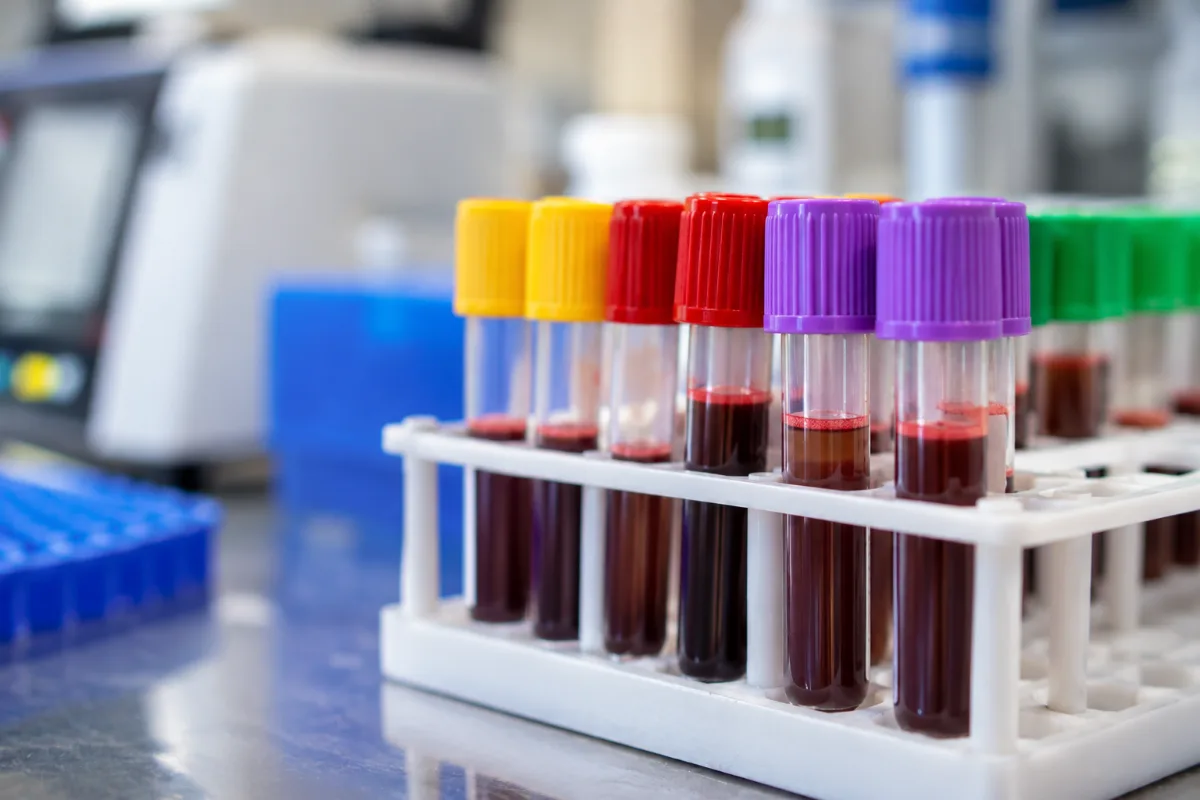
There is no single test, and anyone offering one panel that “checks all your hormones” is overselling it. UCLA Health says plainly that no single test evaluates all hormone levels. Hormones can be measured in blood, urine or saliva, and home kits exist for some of them. Cleveland Clinic describes blood tests as the main method, because endocrine glands release hormones into the bloodstream.
Testing works best in a particular order:
- A history and physical exam, including your cycle, sleep, weight changes and family history
- A review of every medication and supplement you take
- Blood tests chosen to match your symptoms, timed correctly, because some hormones swing widely across the day or the menstrual cycle
- Sometimes a pelvic exam, a glucose tolerance test, or an ultrasound of the thyroid, ovaries, uterus or pituitary
Timing is where a lot of hormone testing goes wrong. Cleveland Clinic notes that some hormone levels vary greatly during the day, which is why some need a stimulation or tolerance test rather than a single draw. A testosterone level drawn at 4 p.m., or an estradiol level drawn on the wrong cycle day, can look abnormal when nothing is wrong. Our post on which hormone tests actually matter goes through the individual tests and how to time them.
What are signs of hormone imbalance?
The signs overlap so much with ordinary life that they are easy to dismiss. UCLA Health groups them into seven areas: menstrual changes, hair changes, skin problems such as acne or dark patches, sexual symptoms such as low libido or vaginal dryness, unexplained weight change, mood and sleep problems, and digestive changes. Cleveland Clinic adds a metabolic group that includes a slow or fast heartbeat, fatigue, constipation, feeling too hot or cold, extreme thirst and frequent urination. In men, it lists erectile dysfunction, loss of muscle mass, loss of body hair and breast tissue growth.
Cleveland Clinic also makes the point that matters most. Many of these symptoms have causes that have nothing to do with hormones. A sign is a reason to look, not proof.
Can hormone imbalance cause hair loss?
Yes, in a few specific ways, and the pattern of loss is a clue.
Shedding all over the scalp, a few months after a big event, is usually telogen effluvium. UVA Health dermatologist Mary Noland says it causes most cases of unusual hair loss. Childbirth is a classic trigger, along with illness with a high fever, severe stress, thyroid disease and other hormonal shifts. The average person loses about 100 hairs a day. During telogen effluvium that can climb to 300 to 500, though bald patches are not typical, and hair usually regrows once the cause settles.
Severe or long-lasting thyroid disease can thin hair across the whole scalp. UVA endocrinologist William Horton says it is unusual for mild or short-lived thyroid problems to cause hair loss, and that treatment usually leads to regrowth, though it may take a few months and may not be complete.
Androgens produce a different pattern. The WHO lists female-pattern thinning or baldness among PCOS symptoms, and UCLA Health notes that coarse hair on the chin or face can point to too many male hormones. Thinning on top with new chin hair is a combination worth testing for.
Can hormone imbalance cause fatigue?
Yes. Fatigue is on Cleveland Clinic’s list of metabolic symptoms, and several hormone problems cause it. Underactive thyroid is the first one to check, which matters given the ATA estimate that most people with thyroid disease have not been diagnosed. Low testosterone in men and Addison’s disease, where the adrenal glands make too little cortisol, can also leave people exhausted.
The trouble is that fatigue is one of the least specific symptoms in medicine. Iron deficiency, depression, sleep apnea, overwork and plain short sleep can feel identical. That is a reason to test, not to guess. It is also why a normal thyroid result is useful information rather than a dead end.
What we cannot always explain is the patient whose labs all come back in range and who still feels unwell. Sometimes the answer shows up on a retest months later. Sometimes it never does, and the work becomes treating the symptoms that can be treated while keeping an eye out.
What kind of doctor treats hormone imbalance?
It depends on the cause and how complex it is. UCLA Health recommends starting with a primary care doctor, who can look at your overall health. Cleveland Clinic says primary care providers can diagnose and manage many hormonal imbalances, and that endocrinologists, who specialize in hormone conditions, are the right call for more complex cases. Suspected pituitary or adrenal tumors, Cushing’s syndrome and hard-to-control thyroid disease belong in that group.
Gynecologists handle many menstrual, PCOS and menopause questions. Urologists see men with low testosterone and related sexual symptoms. In Oregon, licensed naturopathic physicians can also order diagnostic tests and prescribe medications from a board-approved formulary, under ORS chapter 685, and a good one will refer to an endocrinologist when a result points to a gland problem.
Whoever you see, watch for one thing. Cleveland Clinic notes that few store-bought supplements have been proven to help hormone imbalances. A visit that ends with a bag of supplements and no named diagnosis is not a workup.
Myth: “Hormone imbalance” is a diagnosis.
Fact: It is an umbrella term. The diagnosis is the specific problem underneath it, such as hypothyroidism, PCOS, perimenopause or low testosterone.
Myth: One comprehensive panel can check all your hormones.
Fact: UCLA Health says no single test evaluates all hormone levels. The right tests depend on your symptoms, and many depend on timing.
Myth: If your labs are normal, your symptoms are not real.
Fact: Normal labs rule out some causes. Sleep, mood, medications and conditions outside the endocrine system can cause the same symptoms and still need attention.
Frequently asked questions
What is the most common cause of hormone imbalance?
It depends on age and sex. For women in their 40s and early 50s, perimenopause is the most common reason hormones shift. Across all adults, thyroid disease and diabetes are very common, and the ATA estimates up to 60 percent of people with thyroid disease do not know they have it. PCOS affects an estimated 10 to 13 percent of women worldwide, according to the WHO.
Can stress cause a hormone imbalance?
Yes. Cleveland Clinic lists stress among the temporary or fixable causes of hormonal imbalance, and stress often travels with short sleep, which has its own effect. In one University of Chicago study, a week of under five hours of sleep a night lowered young men’s testosterone by 10 to 15 percent. Managing stress and sleep is part of treatment, not an afterthought.
Can a hormone imbalance fix itself?
Some can. Imbalances tied to stress, short sleep, a medication or a recent pregnancy often settle once the trigger changes, and postpartum hair shedding usually regrows. Others, such as hypothyroidism, PCOS, Addison’s disease or a gland tumor, need diagnosis and ongoing treatment. Because the symptoms can look alike, it is worth testing rather than waiting to see which kind you have.
Are at-home hormone tests accurate?
Home kits exist for some hormones, and UCLA Health mentions them as an option. The bigger problem is interpretation. Many hormones vary by time of day or cycle day, and a single result without your history, medications and symptoms can mislead in either direction. If you use a home test, bring the result to a clinician rather than treating it on your own.
Should I see an endocrinologist or my regular doctor first?
Start with a primary care doctor or another clinician who can order a basic workup, as UCLA Health recommends. Cleveland Clinic says primary care can diagnose and manage many hormonal imbalances. Ask for an endocrinology referral if results suggest a pituitary or adrenal problem, Cushing’s syndrome, a thyroid nodule, or a condition that is not responding to standard treatment.
If you have been told your hormones are “off” but nobody has said which ones or why, a focused workup is the next step. Dr. Drew Collins, ND, at Proactive Choice reviews your symptoms, history and medications, tests thyroid, adrenal and sex hormones together, and explains what the results mean for treatment. Learn more about seeing a hormone doctor in Bend, or book a free 15-minute call at +1 (858) 333-5196.
Sources
- Cleveland Clinic. Hormonal imbalance.
- UCLA Health. 7 signs of a hormonal imbalance, and what to do about it.
- American Thyroid Association. Press room: general information and thyroid statistics.
- World Health Organization. Polycystic ovary syndrome fact sheet.
- ScienceDaily. Sleep loss dramatically lowers testosterone in healthy young men (Leproult R, Van Cauter E, JAMA, 2011).
- Endocrine Society via Newswise. Opioids may negatively impact hormone health (Exogenous Opioids and the Human Endocrine System: An Endocrine Society Scientific Statement, Endocrine Reviews, 2024).
- UVA Health. Why is my hair falling out?
- Oregon Revised Statutes, Chapter 685. Naturopathic Physicians.
Medically reviewed content from Proactive Choice. This article is for education and is not a diagnosis. Talk with a licensed clinician about your own symptoms and treatment options.
Want to talk this through for your own health? Book a visit with Dr. Drew Collins, ND at 601 NW Harmon Blvd in Bend, or call (858) 333-5196.