
Vine tea is an herbal tea made from the leaves and young stems of Ampelopsis grossedentata, a climbing vine from the mountains of southern China, where it is also sold as mao yan mei. A 2025 review in Trends in Food Science and Technology describes it as a folk tea consumed in China for more than 600 years. Its main active compound is dihydromyricetin, usually shortened to DHM. That is the same ingredient in many “hangover” supplements sold in the US. This guide covers what vine tea is, the benefits that have actually been tested in people, side effects and how to brew it.
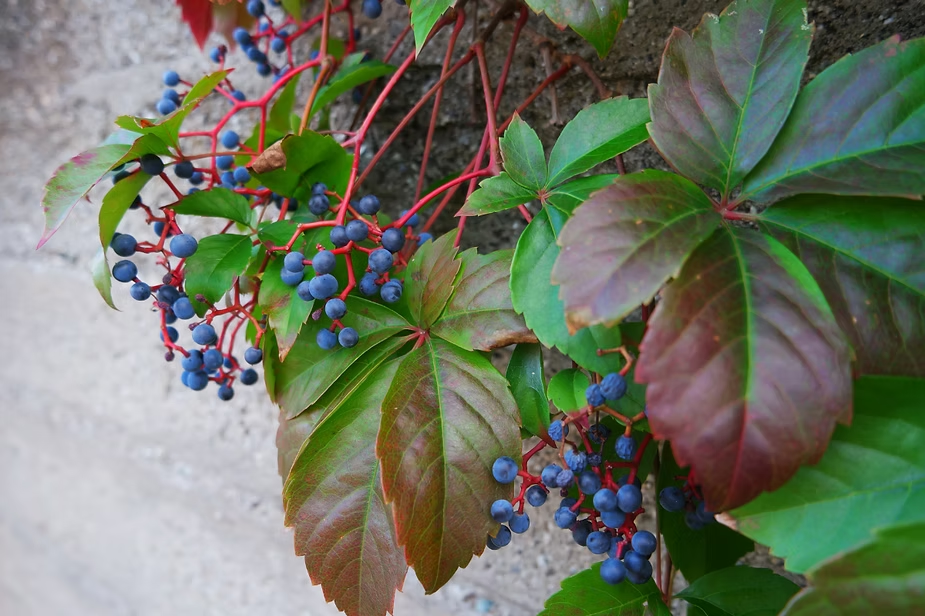
What is vine tea?
Ampelopsis grossedentata belongs to the grape family (Vitaceae). It is not related to the tea plant, Camellia sinensis, that gives us green and black tea. The tender leaves and shoots are picked, then pan-fried or dried.
A 2023 review in Molecules counted about 57 identified chemical components in the plant, including flavonoids, phenols, steroids, terpenoids and volatile oils. DHM is the flavonoid that gets the attention, and most research on vine tea is really research on DHM.
Vine tea benefits: what has been tested in people
Most vine tea research is in cells and animals. Lab findings are a starting point, not proof. Here is where human evidence exists, and where it does not.
1. Fatty liver and liver enzymes
This is the strongest area. In a 2015 double-blind trial published in Pharmacological Research, 60 adults with nonalcoholic fatty liver disease took 300 mg of DHM or placebo twice a day for three months. The DHM group had lower liver enzymes (ALT, AST and GGT), lower fasting glucose, LDL cholesterol and insulin resistance, and lower levels of the inflammatory marker TNF-alpha compared with placebo.
A second randomized trial, published in 2026 in Annals of Gastroenterology, gave 55 adults with metabolic dysfunction-associated steatotic liver disease (the newer name for fatty liver) either a supplement with 300 mg DHM a day plus vitamins C and E and choline, or a placebo, for 12 months. Liver enzymes normalized in 35% of the supplement group compared with 5% on placebo, and liver stiffness readings improved. The authors still called for further evaluation, and because the capsule contained other ingredients, the result cannot be credited to DHM alone.
Two small trials are encouraging. It is not enough to treat fatty liver with tea. Both used capsules with measured doses, which a cup of tea does not give you.
2. Blood sugar and cholesterol
The same two trials reported improvements in glucose and lipid markers. That makes vine tea interesting for people with prediabetes or type 2 diabetes. It also means people already taking diabetes medication should check their blood sugar more closely if they start taking concentrated DHM, since effects could add together. Vine tea is not a substitute for prescribed diabetes treatment.
3. Hangovers and alcohol
DHM became popular as a hangover remedy largely on the strength of animal research. A 2026 systematic review in Nutrients looked at 22 studies of DHM and alcohol-related conditions. The authors found consistent protective effects in cell and animal studies, especially for the liver, but inconsistent findings on alcohol metabolism. The only clinical evidence came from two small trials of Hovenia dulcis (Japanese raisin tree) extracts, which contain DHM among other compounds, and neither tested DHM on its own.
So does vine tea help a hangover? Nobody has shown that in a well-designed human trial yet. It will not lower your blood alcohol level or make driving safer, and it does not make heavy drinking safe for your liver.
4. Antioxidant and anti-inflammatory activity
DHM and the other flavonoids in vine tea are strong antioxidants in the lab and reduce inflammatory signaling in animal models. The fatty liver trial above found lower TNF-alpha in people, which is a real, if narrow, human data point. Claims that vine tea treats arthritis, autoimmune disease or cancer are not supported by human studies.
5. Blood pressure, heart and gut
A 2026 study in mice suggests vine tea extract can lower salt-induced high blood pressure and shift gut bacteria in a favorable direction. These are animal results. There are no good human trials on vine tea for blood pressure, clotting or gut health, so treat those claims as possibilities, not benefits.
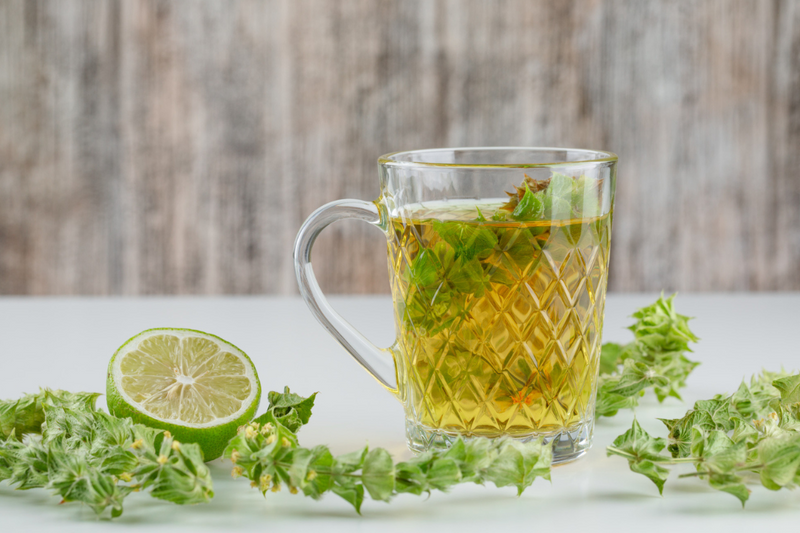
How to make vine tea
- Use about 3 to 5 grams of dried vine tea (roughly 1 to 2 teaspoons, depending on how the leaves are cut) per cup.
- Heat 250 ml (about 1 cup) of water to just below boiling, around 90 to 95°C (195 to 205°F).
- Steep for 5 to 7 minutes.
- The leaves can be re-steeped once or twice.
Vine tea is also sold as loose leaf, tea bags and blends. If you buy loose leaf, pick a seller that can tell you where it was grown and share third-party testing for pesticides and heavy metals.
Vine tea extract and DHM supplements
Vine tea extract is concentrated DHM, usually sold in capsules. The human trials above used 300 mg a day (the 2026 trial) and 300 mg twice a day (the 2015 trial). Supplements vary a lot in purity, and the FDA does not approve dietary supplements for safety or effectiveness before they are sold. Look for a third-party certification such as USP or NSF, and treat any label promising to “prevent hangovers” with suspicion.
We recommend talking with a clinician before taking DHM capsules daily, particularly if you have liver disease. Elevated liver enzymes have many causes, and it matters which one you have.
Vine tea side effects
Vine tea has a long history as an everyday drink in China, and a 2023 review of the lab research reported no toxicity in those studies. Human safety data, though, are thin. The published human trials were small and short (3 to 12 months), and their summaries do not describe safety problems, but trials that size cannot catch rare side effects.
What we would watch for:
- Possible stomach upset, which is worth watching for with any new herbal tea, especially on an empty stomach.
- Lower blood sugar if you take insulin, sulfonylureas or other glucose-lowering drugs.
- Unknown drug interactions. We could not find published human interaction studies. If you take blood thinners, seizure medication, transplant drugs or anything with a narrow safety margin, ask your pharmacist first.
- Pregnancy, breastfeeding and children. There are no safety data, so skip concentrated DHM and check with your clinician before drinking the tea regularly.
- Alcohol. The biggest risk may be behavioral: using a hangover supplement as permission to drink more.
Frequently asked questions
What is vine tea?
An herbal tea made from the leaves and stems of Ampelopsis grossedentata, a grape-family vine from southern China. It is rich in the flavonoid dihydromyricetin (DHM).
What are the benefits of vine tea?
Small human trials of DHM capsules showed improvements in liver enzymes, blood sugar and cholesterol in people with fatty liver disease. Other claimed benefits, including hangover relief, heart protection and gut health, rest mostly on animal and lab studies.
What are the side effects of vine tea?
The small human trials so far were not built to detect rare side effects, and long-term safety has not been well studied. Watch for stomach upset and low blood sugar if you take diabetes medication, and check with a clinician about drug interactions.
Does vine tea help with hangovers?
It has not been proven. DHM reduced alcohol effects in animal studies, but a 2026 systematic review found no human trials of DHM alone for hangovers.
Is vine tea extract the same as DHM?
Mostly. Vine tea extract is usually standardized to DHM content, so check the label for the actual milligrams of DHM per serving.
Does vine tea have caffeine?
Vine tea does not come from the tea plant, so it is not a natural source of caffeine. Check the label on blends, which sometimes include green or black tea.
Can I drink vine tea every day?
It is traditionally drunk as an everyday tea. For healthy adults, a cup or two a day is a reasonable amount. If you have liver disease, diabetes or take prescription medication, talk with your clinician first.
Where vine tea fits in liver and metabolic care
Vine tea is one of the more interesting herbs for fatty liver, but it is a small piece of a plan. Weight, alcohol intake, blood sugar control and sleep usually matter more. At Proactive Choice in Bend, Dr. Drew Collins, ND, combines herbal medicine with lab testing and nutrition through our bio-medical nutrition program. If weight is part of the picture, see our weight loss clinic. You might also find our article on what detox actually means clinically useful.
Proactive Choice is at 601 NW Harmon Blvd #10, Bend, OR 97703, and serves patients across Central Oregon. Call (858) 333-5196 or book a consultation online.
This article is general education, not medical advice. Talk with your own clinician before starting any herb or supplement, especially if you take prescription medication, are pregnant or have a chronic condition.
Want to talk this through for your own health? Book a visit with Dr. Drew Collins, ND at 601 NW Harmon Blvd in Bend, or call (858) 333-5196.