
Before highways and grocery stores, the people of Central Oregon ate by season. Salmon came up the Columbia and Deschutes. Roots were dug in late spring on the plateaus. Huckleberries ripened in the mountains in late summer, and deer and elk were hunted through the fall. This guide covers 12 traditional foods of the Wasco, Warm Springs and Paiute peoples, now the Confederated Tribes of Warm Springs, along with the Burns Paiute of the high desert: how each was gathered and prepared, and what it offers nutritionally, using USDA figures where they exist.
One correction up front. An earlier version of this page listed a name for each food in the Warm Springs, Wasco and Paiute languages. We could not confirm those names with tribal sources, so we removed them. Getting a people’s language wrong is worse than leaving it out. If you want the real words, the tribes’ own language and culture programs are the place to learn them.
The tribes of Central Oregon and how they ate
The Deschutes Land Trust notes that eight tribal groups customarily used this region. Three of them, the Wasco, Warm Springs and Paiute, make up today’s Confederated Tribes of Warm Springs. Their diets were different, and the Warm Springs tribes’ own history spells out how:
- The Wasco were the easternmost Chinookan-speaking people on the Columbia and were “principally fishermen.” They traded salmon meal, root bread and bear grass.
- The Warm Springs bands spoke Sahaptin, moved between winter and summer villages, and “depended more on game, roots and berries,” though they harvested salmon too.
- The Paiute spoke a Shoshonean language and lived in southeastern Oregon. Their high desert life meant traveling farther for food, and fish played a small role.
Under the Treaty of 1855, the tribes gave up about ten million acres but kept the Warm Springs Reservation and, importantly, “their rights to harvest fish, game and other foods off the reservation.” Thirty-eight Paiutes moved to the reservation from the Yakama Reservation in 1879. They had been forced onto the Yakama Reservation after joining the Bannocks in a war against the U.S. Army.
The First Foods idea
Plateau tribes describe their traditional foods as First Foods: water, salmon, game, roots and berries. The idea is a two-way promise. The Confederated Tribes of the Umatilla Indian Reservation, who share this Plateau tradition, quote Young Chief at the 1855 treaty council saying the earth and water tell the Creator to “feed the Indians well,” and that the people, in return, must “take good care of the ground and to do each other no harm.”
At Warm Springs, First Foods are honored through a cycle of feasts. A 2023 report by Underscore Native News describes the Wild Celery Feast, then the Root Feast in late spring, then the Huckleberry Feast, with timing set by when the foods are actually ready. At the Root Feast, roots and salmon are cooked together. There are protocols for how food is harvested and prepared, which songs are sung, how the food is arranged and the order it is served.
What did the Paiute tribe eat?
This is one of the most common questions about Oregon’s traditional foods, and the answer depends on where a Paiute band lived. The Burns Paiute call themselves the Wadatika, “named for the wada seeds collected near Malheur Lake shores,” according to the Oregon Blue Book. Their homeland stretched from the Cascades to Boise and from the Blue Mountains to Steens Mountain, and they lived on “seeds, berries, roots and vegetation they gathered and wild animals they hunted.”
For Northern Paiute groups farther south in the Great Basin, piñon nuts were a main food, and rabbit was the most common game. Deer, antelope, bighorn sheep, grouse, ducks and other waterfowl rounded things out, along with duck eggs. Fish mattered much less than it did for the river peoples along the Columbia.
12 traditional foods of Central Oregon’s tribes
1. Salmon
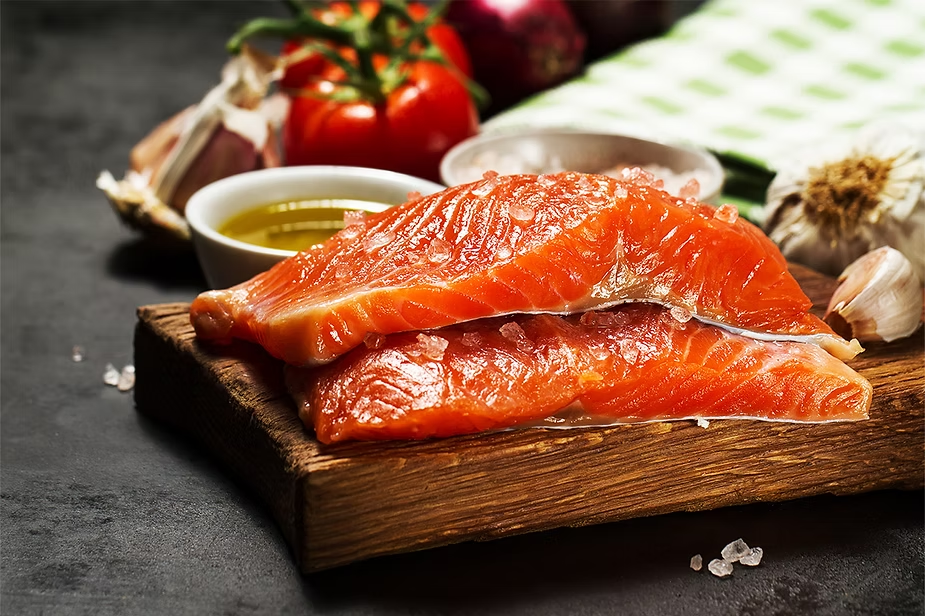
Salmon was a staple for the Wasco and Warm Springs peoples, who “built elaborate scaffolding over waterfalls” to fish the runs. Salmon meal was one of the goods the Wasco traded, and at the Warm Springs Root Feast, salmon is still cooked together with the roots.
Nutrition: raw Chinook salmon has about 179 calories, 19.9 g of protein and 10.4 g of fat per 100 g (USDA FoodData Central).
2. Pacific lamprey
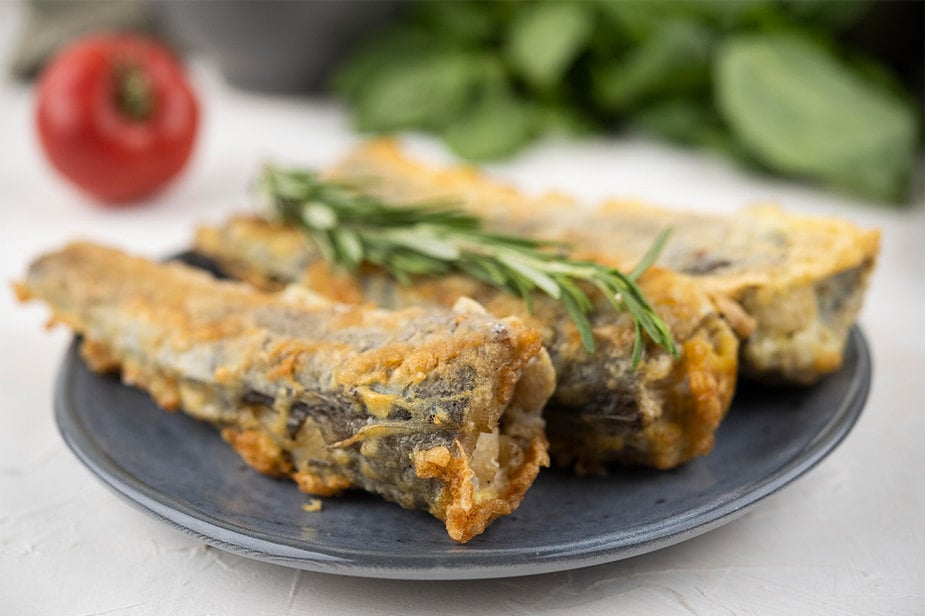
Lamprey, often called eels, were prized “for their rich, fatty meat” and served alongside salmon at feasts, according to the Columbia River Inter-Tribal Fish Commission (CRITFC). They are caught by hand where rapids and falls force them to cling to rocks and rest. Willamette Falls is still the most important harvest site, where tribal fishers gather every year. A Nez Perce elder quoted by CRITFC remembered fat dripping off cooking lamprey being saved for lamp oil and medicine.
Their numbers have collapsed. CRITFC reports that about 400,000 adults once passed Bonneville Dam, and recent counts are under 20,000.
3. Elk
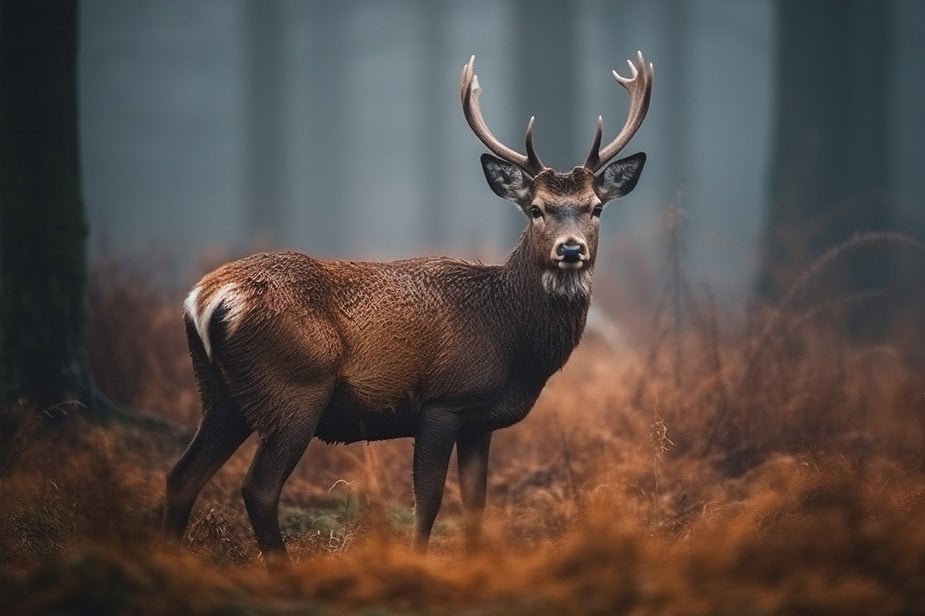
Elk and deer are First Foods. In the Umatilla tribes’ seasonal round, game comes in late summer, alongside huckleberries.
Nutrition: raw elk has about 111 calories, 23 g of protein and only 1.45 g of fat per 100 g (USDA).
4. Mule deer
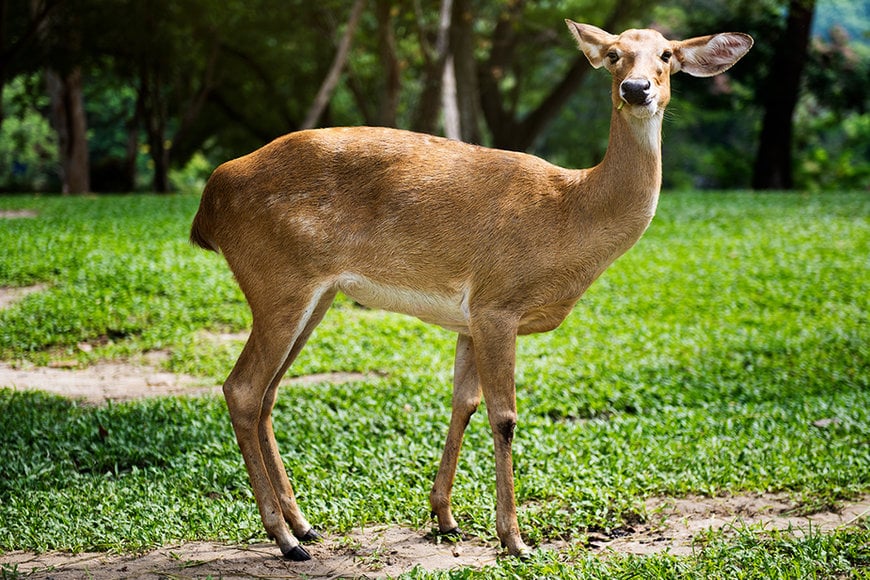
Deer were central for the Warm Springs bands and the Paiute alike. Dried meat was also pounded with chokecherries into pemmican (see number 10).
Nutrition: raw venison has about 120 calories, 23 g of protein and 2.4 g of fat per 100 g (USDA).
5. Jackrabbit
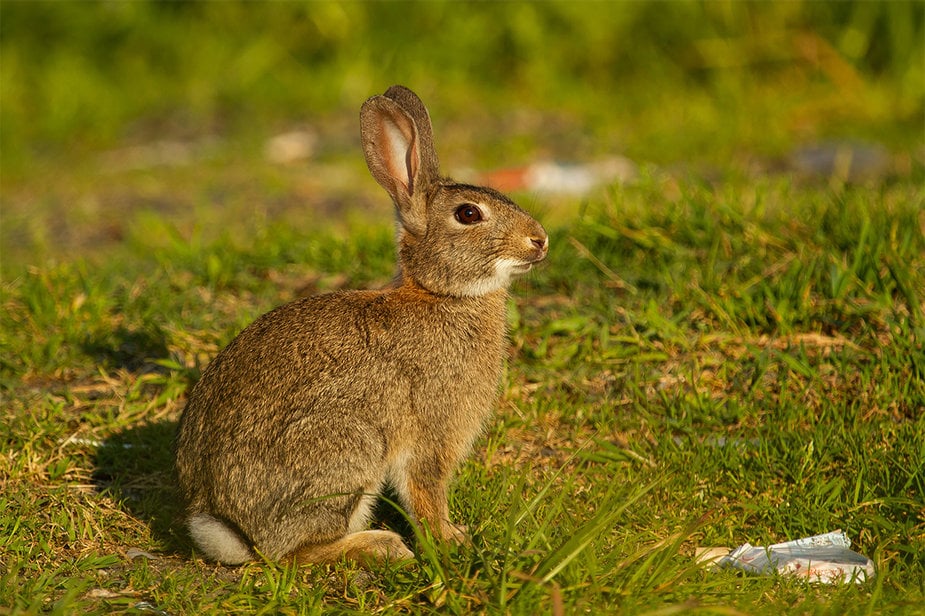
On the high desert, rabbits did the steady work that salmon did on the river. For Northern Paiute groups, rabbit was the most common game.
Nutrition: USDA lists wild rabbit, raw, at about 114 calories, 21.8 g of protein and 2.3 g of fat per 100 g. USDA does not separate jackrabbit from cottontail.
6. Mountain cottontail
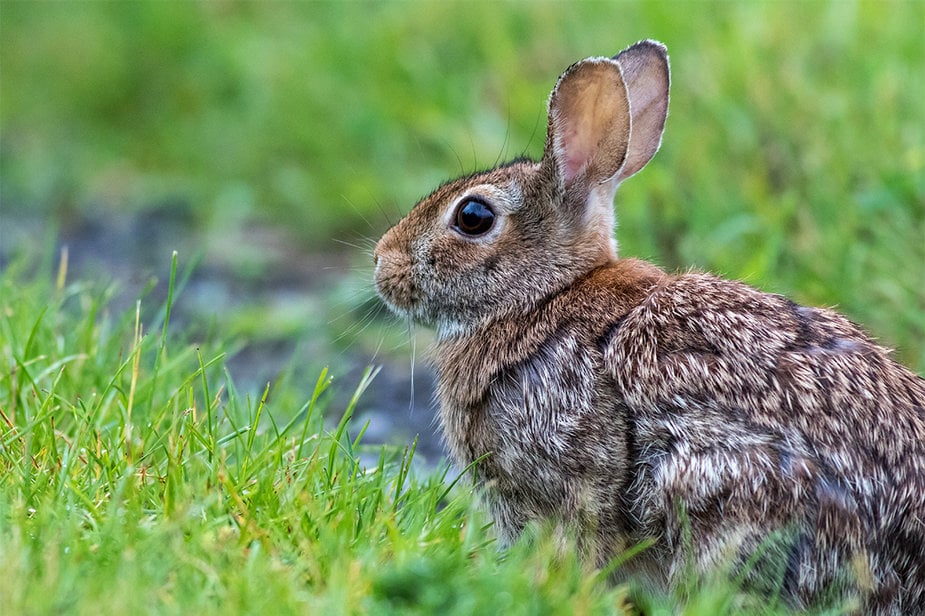
Cottontails are the smaller cousins of jackrabbits. The original version of this list gave them their own entry, and we have kept it. Nutritionally they sit in the same lean, high-protein range as the wild rabbit figures above.
7. Camas
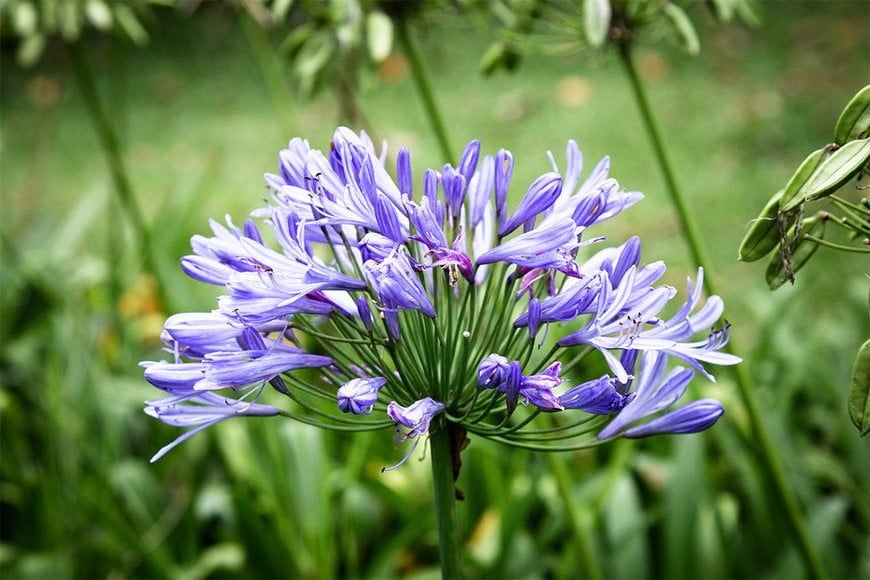
Camas is “one of the most important ‘root’ foods of western North American indigenous peoples,” according to a USDA Natural Resources Conservation Service plant guide. It grows in wet meadows and blooms from April to June. Bulbs were dug with pointed sticks after flowering and pit-cooked for 24 to 36 hours, which turns its inulin, a starch-like carbohydrate, into sweeter fructose. The bulbs were then eaten or dried.
Tribes managed camas meadows with controlled burning, harvested only the larger bulbs, replanted sod, and pulled out death camas. That last step matters. Death camas looks similar and is toxic, so do not dig camas unless you are certain of what you have.
8. Biscuitroot (cous)
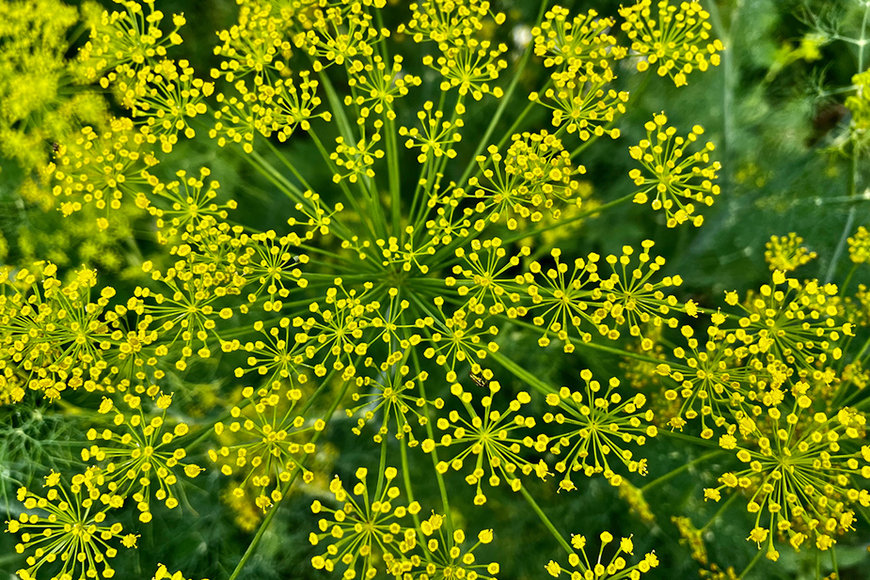
Biscuitroots are Lomatium plants with edible roots. Cous (also spelled couse or kowsh) is the best known. The Umatilla tribes describe digging it in late spring and early summer, when women made the roots into “small biscuits and dried in the sun.”
9. Huckleberries
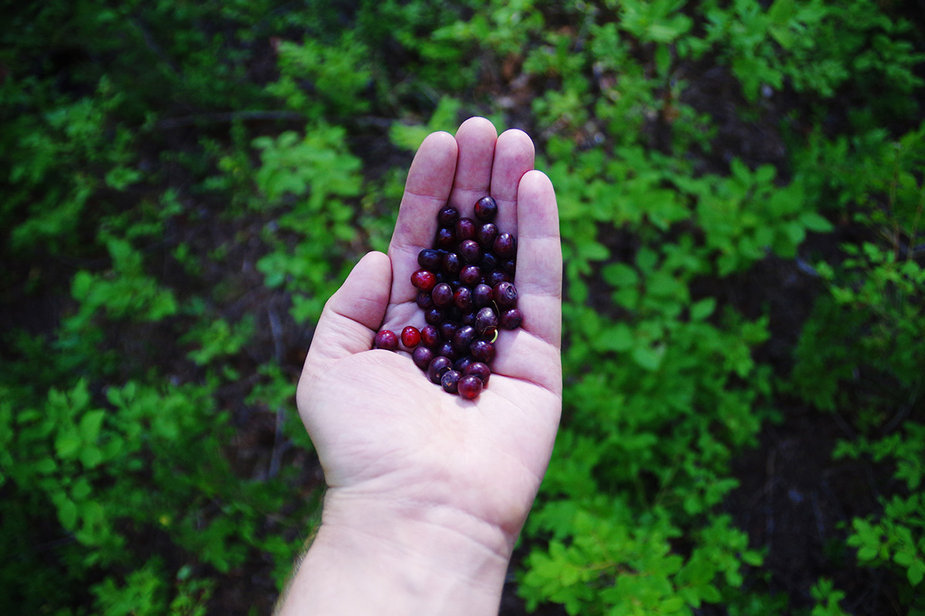
Huckleberries ripen in the mountains in late summer, and at Warm Springs the season is marked by the Huckleberry Feast. Berries were eaten fresh or dried for winter.
Nutrition: USDA data for raw huckleberries (from a sample collected with Alaska Native communities) show about 8.7 g of carbohydrate and 2.8 mg of vitamin C per 100 g. Wild berries vary a lot by place and ripeness.
10. Chokecherries
Chokecherries are small, tart wild cherries. The Umatilla tribes describe pounding them “with dried meat or salmon to make pemmican.”
Nutrition: USDA lists pitted raw chokecherries, sampled with Northern Plains tribes, at about 162 calories, 33.6 g of carbohydrate and 20 g of fiber per 100 g. That fiber figure is remarkably high for a fruit.
11. Black tree lichen (black moss)
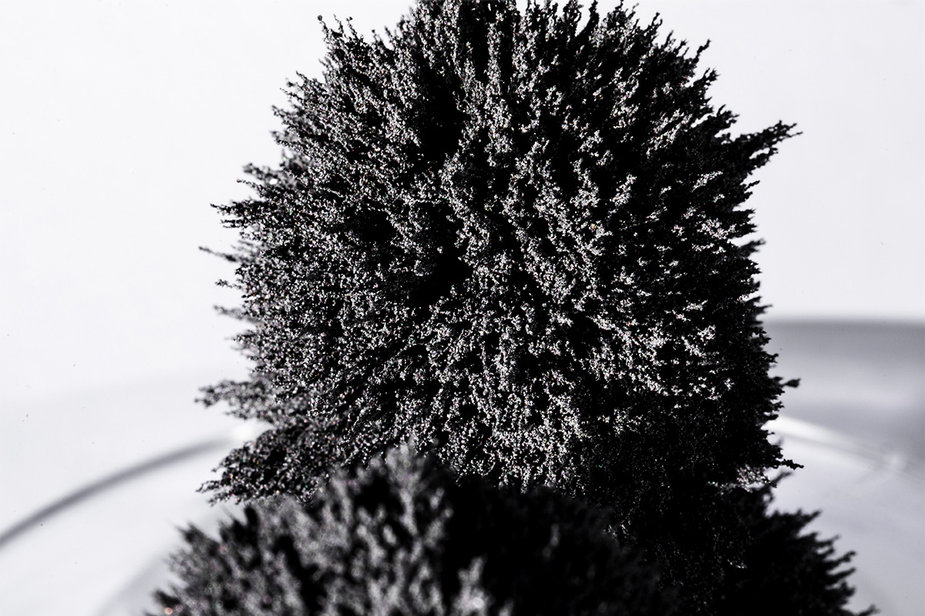
Despite the common name, black moss is a lichen, Bryoria fremontii, that grows on trees. Ethnobotanist Nancy Turner described it in 1977 as “an important source of food for the interior Indian peoples of western North America from northern British Columbia to northern California.” The Umatilla tribes say it was “baked to make a cheese-like food.”
Tree lichens are easy to misidentify, and traditional preparation took skill. This one belongs in the history lesson, not on a foraging walk.
12. Pine nuts and wild seeds
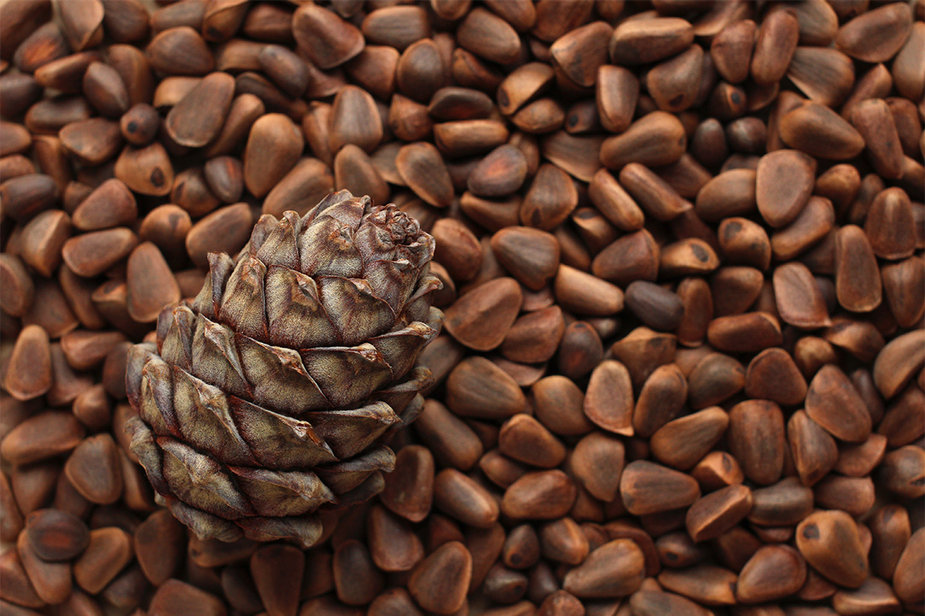
Seeds were the Paiute pantry. The Burns Paiute take their name from wada seeds gathered at Malheur Lake, and piñon nuts were a main food for Northern Paiute groups in the Great Basin.
Nutrition: dried piñon nuts have about 629 calories, 11.6 g of protein, 61 g of fat and 19.3 g of carbohydrate per 100 g (USDA). Few wild foods pack that much energy into so little weight.
A year of First Foods
The Umatilla tribes lay out the Plateau seasons roughly like this, and the pattern is similar at Warm Springs:
- Spring: salmon
- Late spring and early summer: roots such as cous and camas
- Late summer: huckleberries, deer and elk
- Fall: salmon again
For the Paiute of the high desert, the round followed seeds, roots, berries, rabbits and larger game across a much wider territory.
Threats to traditional foods
Many First Foods are harder to find than they were. Lamprey are the starkest example. CRITFC counts have fallen from roughly 400,000 adults at Bonneville Dam to fewer than 20,000, and the commission points to damaged spawning habitat, river conditions and ocean changes. The treaty right to harvest off the reservation, kept in 1855, is part of why these foods are still gathered and served at all.
What these foods can teach modern eaters
We are a medical clinic in Bend, not a cultural authority, so we will keep this part short. Looked at nutritionally, this was a diet of lean wild game, fatty fish, roots, seeds and very fibrous fruit, eaten by season, with almost nothing refined. Dr. Collins wrote a free ebook, The Wisdom of First Foods, and talks through the topic on our podcast. If you want to build some of those principles into your own eating, our bio-medical nutrition service and herbal medicine visits are where we do that work.
Please do not dig roots, cut lichen or harvest on tribal land or protected areas. Buying from Indigenous-owned food businesses is a better way to eat these foods.
Frequently asked questions
What are First Foods?
First Foods are the traditional foods that Plateau tribes see as gifts from the Creator: water, salmon, game such as deer and elk, roots and berries. They carry a responsibility to care for the land and water that provide them.
What did the Paiute tribe eat?
Paiute groups ate seeds (the Burns Paiute are named for wada seeds), roots, berries, rabbits, deer, antelope, bighorn sheep, waterfowl and duck eggs. Groups in the Great Basin relied heavily on piñon nuts. Fish played a smaller role than it did for river tribes.
What did the Warm Springs and Wasco tribes eat?
The Wasco were mainly fishermen and traded salmon meal and root bread. The Warm Springs bands ate more game, roots and berries, along with salmon. Both honored First Foods with seasonal feasts.
What foods are native to Oregon?
Native Oregon foods include salmon, Pacific lamprey, elk, deer, rabbits, camas, biscuitroot, huckleberries, chokecherries and black tree lichen, plus wada seeds in the southeast.
Is camas safe to eat?
Common camas is edible after long cooking, traditionally 24 to 36 hours in a pit. Death camas grows in similar places, looks alike and is toxic, so never eat a wild bulb you cannot identify with certainty.
Is black moss really moss?
No. Black moss is a lichen, Bryoria fremontii. It fed interior tribes from British Columbia to northern California, and the Umatilla tribes describe baking it into a cheese-like food.
You may also like
- 13 best foods for brain function
- Hypothyroidism diet: what to eat and avoid
- 7 healthy detox drinks you can make at home
- Supplements for autoimmune disease
Want to talk this through for your own health? Book a visit with Dr. Drew Collins, ND at 601 NW Harmon Blvd in Bend, or call (858) 333-5196.