
A good night’s sleep is essential for physical health, mental clarity, emotional balance, and overall well-being. Yet millions of people struggle to fall asleep, stay asleep, or wake up feeling refreshed. In the digital age, sleep problems have increased exponentially, raising concerns for people of all ages.
Stress, screen time, caffeine, hormonal changes, and lifestyle habits often interfere with natural sleep cycles. You’d be surprised to know that most health issues people face these days can be improved by fixing their sleep cycle. So, let’s look at some of the easiest natural ways to improve your sleep.
While prescription sleep aids can be helpful in some cases, many people prefer gentler, natural solutions. If you are one of them, then this guide is for you! Herbal teas have been used for centuries to calm the nervous system, ease tension, and promote restorative sleep. The right sleep tea before bedtime can become a powerful part of your nightly routine.
In this evidence-based guide, we explore the best 7 teas for sleep, how they work scientifically, and how to use them effectively to support deeper, more consistent rest.
Quick Navigation:
-
Why Tea Helps Sleep
-
Top 7 Sleep Teas
-
How to Use Tea for Sleep
-
FAQ
Why Tea Can Help Improve Sleep
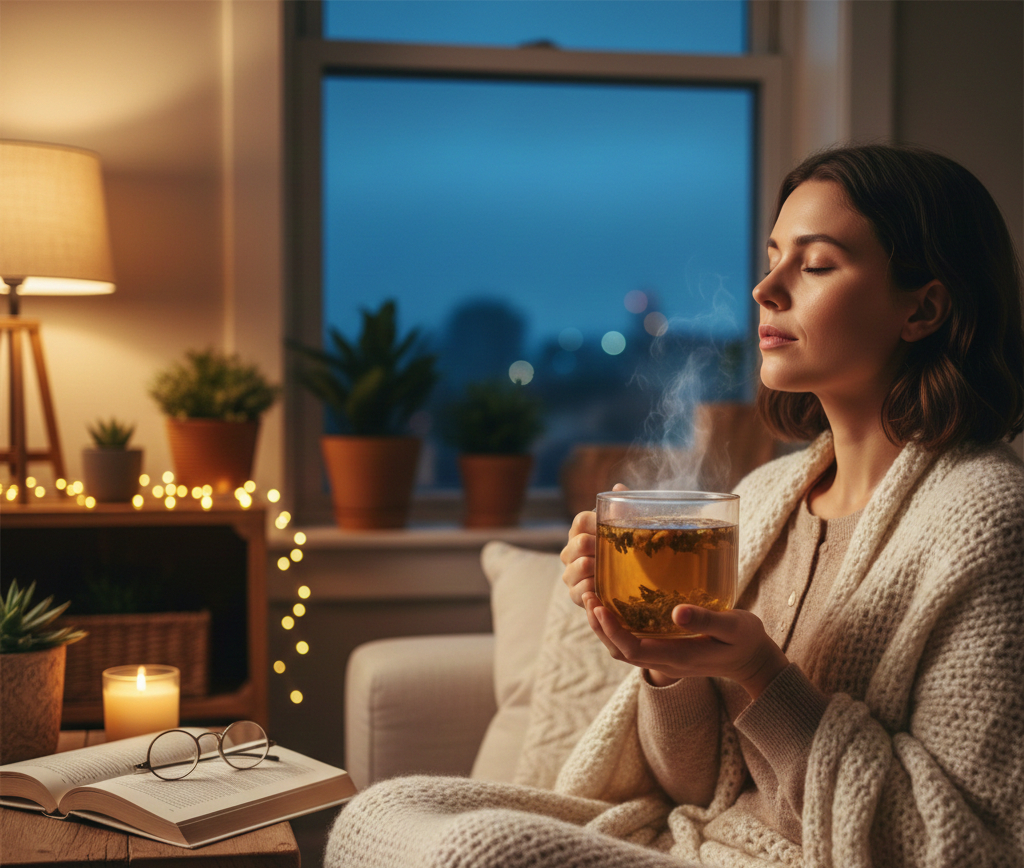
Many sleep-promoting teas are caffeine-free and contain natural compounds that:
-
Reduce anxiety and racing thoughts
-
Calm the central nervous system
-
Relax muscles and release physical tension
-
Prepare the brain for restorative sleep
-
Support healthy circadian rhythms
Unlike sleep medications, teas work gently with your body’s natural processes and can be used regularly without the risk of dependency or next-day grogginess. When paired with healthy sleep habits, tea can become a soothing signal to your body that it’s time to wind down.
The Science Behind Sleep-Promoting Teas
Research shows that certain herbal teas contain compounds that interact with neurotransmitters in the brain. For example, many sleep teas boost GABA (gamma-aminobutyric acid), the primary inhibitory neurotransmitter that helps quiet mental activity and promote calmness. Others contain antioxidants that bind to brain receptors associated with relaxation and reduced anxiety.
Clinical studies have demonstrated that regular consumption of sleep-promoting teas can improve sleep latency (the time it takes to fall asleep), increase total sleep duration, and enhance overall sleep quality without adverse side effects.
The Best 7 Teas for Sleep
1. Chamomile Tea: The Most Popular Sleep Remedy
What is the best tea for sleep?
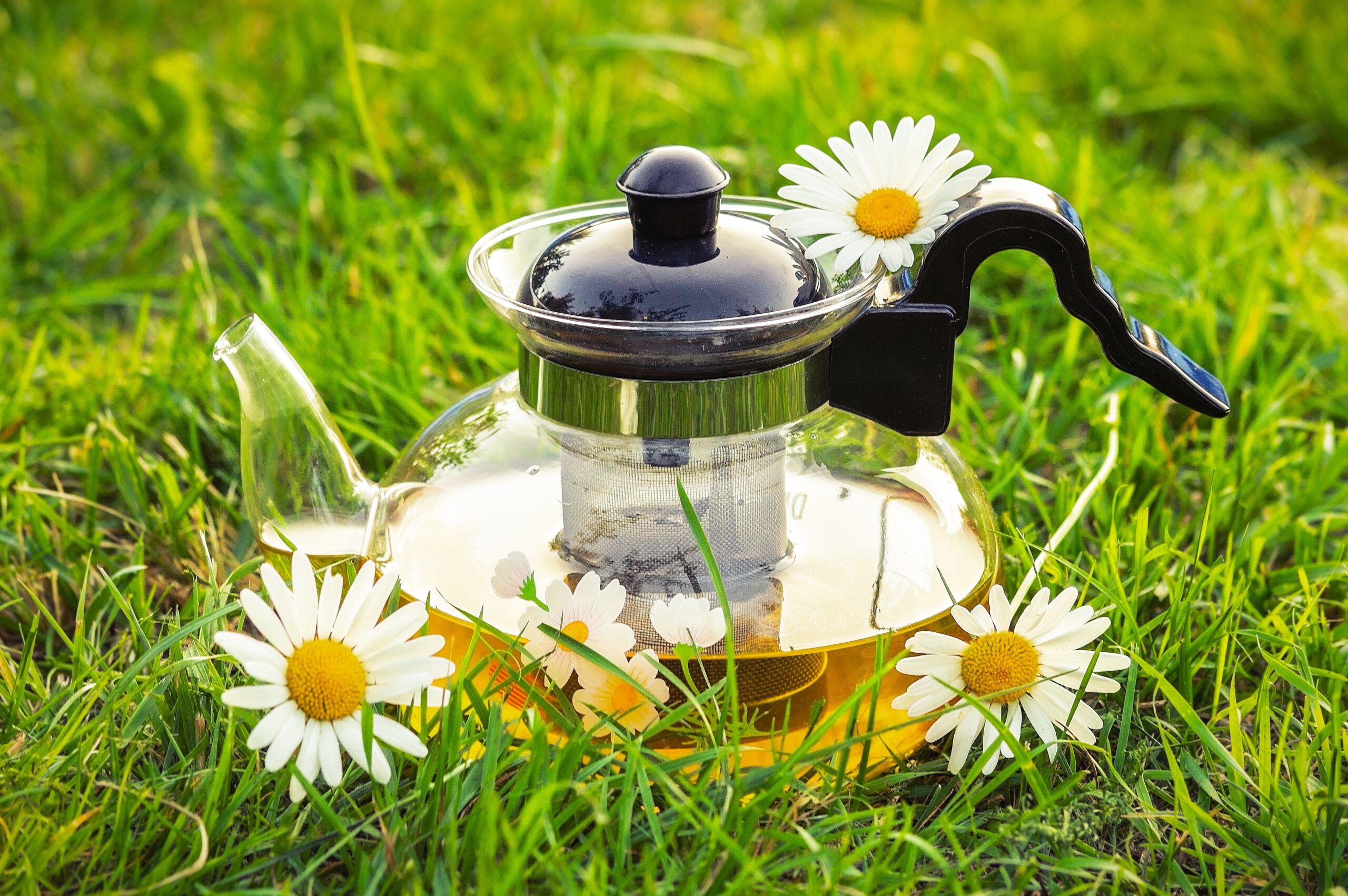
Chamomile is one of the most popular and widely studied teas for sleep, and for good reason. This gentle herb contains a natural flavonoid antioxidant called apigenin, which binds to specific benzodiazepine receptors in the brain that promote relaxation and reduce anxiety.
Benefits for Sleep:
-
Helps reduce stress and nervous tension – Apigenin has mild sedative properties that calm the mind
-
May shorten the time it takes to fall asleep – Studies show improved sleep latency in regular users
-
Supports overall sleep quality – Research indicates deeper, more restorative sleep cycles
-
Safe for nightly use – No dependency or tolerance issues
Scientific Evidence:
A 2016 study published in the Journal of Advanced Nursing found that postpartum women who drank chamomile tea for two weeks reported significantly better sleep quality and fewer symptoms of depression compared to the control group.
Chamomile tea is especially helpful for people who struggle with anxiety-related insomnia or restless thoughts at night. Its mild, floral flavor makes it easy to drink regularly, and it can be combined with other calming herbs for enhanced effects.
Best for: General insomnia, anxiety-related sleep issues, beginners to sleep teas
2. Valerian Root Tea: Powerful Natural Sleep Aid

Valerian root has been used for centuries as a natural sleep aid and is one of the most potent herbal remedies for chronic insomnia. It works by increasing levels of gamma-aminobutyric acid (GABA), a neurotransmitter that helps calm the brain and nervous system.
Benefits for Sleep:
-
May improve sleep latency and duration – Clinical trials show a 15-20 minute reduction in time to fall asleep
-
Helps calm an overactive nervous system – Particularly effective for stress-induced insomnia
-
Often used for chronic insomnia – Stronger effects than chamomile for severe sleep issues
-
Reduces nighttime awakenings – Supports sleep continuity throughout the night
How Valerian Root Works:
Valerian contains compounds called valerenic acid and valerenol that enhance GABA activity in the brain. GABA inhibits nerve transmission, reducing brain activity and promoting a state of calmness conducive to sleep.
Research published in Sleep Medicine Reviews showed that valerian root extract improved sleep quality in 80% of participants with insomnia when used consistently for at least two weeks.
Valerian root tea has a strong, earthy taste that some people find unpleasant, but its sleep-supporting effects can be powerful.
Important note: It may take a few days of consistent use (typically 1-2 weeks) to notice full results.
Best for: Chronic insomnia, difficulty staying asleep, stress-related sleep disorders
Caution: Consult a healthcare provider before use if pregnant, nursing, or taking medications, especially sedatives or anti-anxiety drugs.
3. Lavender Tea: Aromatherapy in a Cup
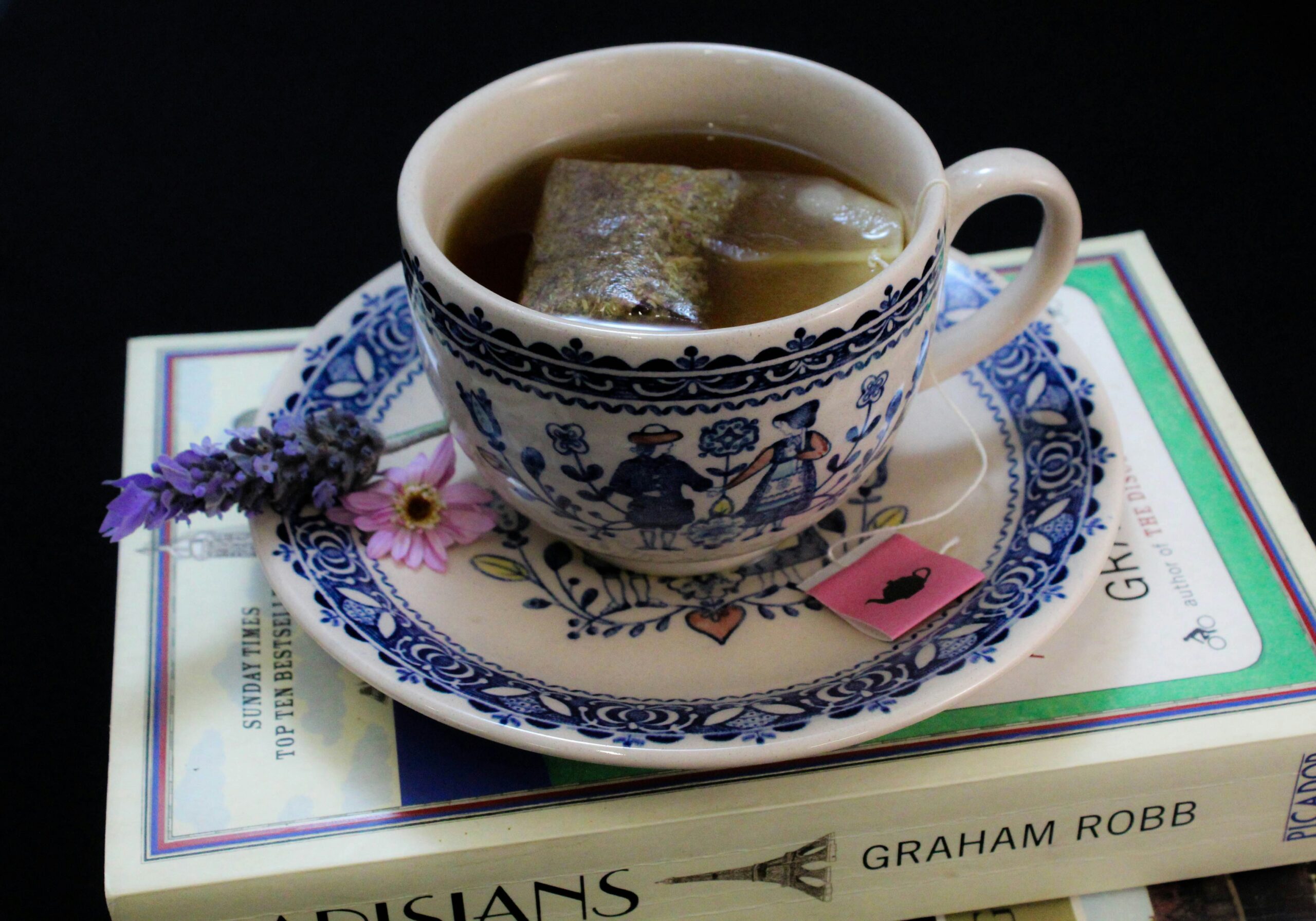
Lavender is well known for its calming aroma, but it’s also highly effective when consumed as a tea. Lavender contains linalool and linalyl acetate, compounds that help reduce anxiety, lower heart rate, and promote a relaxed state that supports sleep.
Benefits for Sleep:
-
Reduces stress and emotional tension – Studies show up to 45% reduction in anxiety scores
-
Supports deeper relaxation before bedtime – Calms both mind and body
-
May improve sleep quality – Particularly for stress-related insomnia
-
Gentle and pleasant-tasting – Subtle floral flavor most people enjoy
Scientific Support:
A 2015 study demonstrated that lavender aromatherapy and consumption reduced anxiety levels and improved sleep duration in college students experiencing sleep difficulties due to academic stress.
Lavender tea is particularly helpful for individuals whose sleep problems are linked to stress, emotional overwhelm, or racing thoughts. It’s gentle enough for daily use and pairs beautifully with chamomile or lemon balm.
Best for: Stress-induced insomnia, anxiety, emotional sleep disturbances
4. Passionflower Tea: For Restless Minds

Passionflower is a natural sedative that helps calm the mind and reduce nighttime restlessness. It works by boosting GABA activity in the brain, similar to valerian, but with a milder, gentler effect.
Benefits for Sleep:
-
Helps quiet an overactive mind – Reduces mental chatter and worry
-
Supports relaxation without grogginess – Won’t leave you feeling heavy or drowsy the next day
-
May improve sleep continuity – Reduces middle-of-the-night awakenings
-
Combines well with other herbs – Often blended with valerian or chamomile
Passionflower tea is ideal for people who wake frequently during the night or struggle with mental chatter that interferes with falling asleep. It’s particularly effective for those whose minds race with worries, to-do lists, or anxious thoughts at bedtime.
Best for: Racing thoughts, frequent night waking, mild to moderate anxiety
5. Lemon Balm Tea: Gentle Relaxation
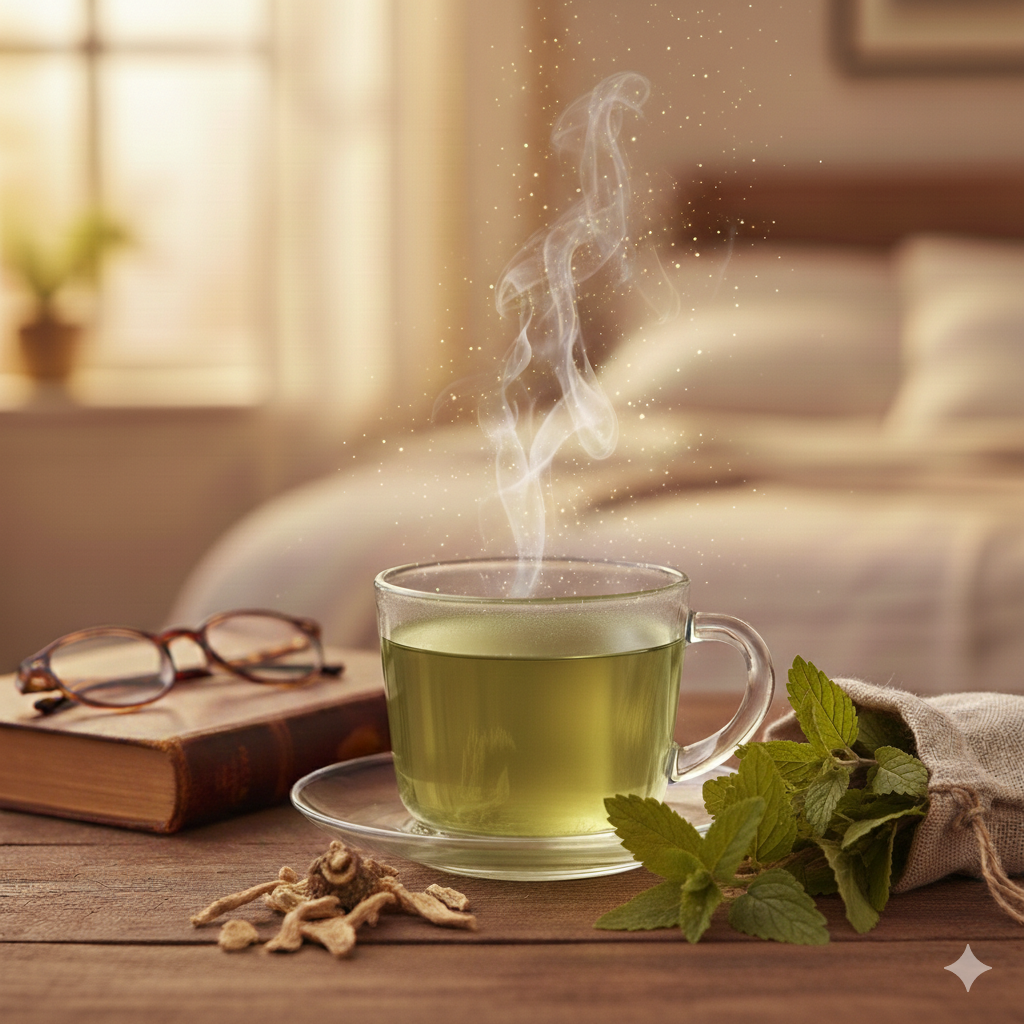
Lemon balm (Melissa officinalis) belongs to the mint family and has a gentle calming effect on the nervous system. It contains rosmarinic acid and other compounds that help reduce anxiety, improve mood, and promote restful sleep.
Benefits for Sleep:
-
Helps reduce stress and mild anxiety – Natural anxiolytic properties
-
Supports relaxation and emotional balance – Improves mood while promoting calm
-
Gentle enough for regular use – Safe for long-term consumption
-
Pleasant citrus-mint flavor – Refreshing taste that’s enjoyable hot or iced
Lemon balm tea has a light citrus flavor and pairs exceptionally well with chamomile or lavender for enhanced sleep support. It’s one of the gentlest sleep teas, making it perfect for those new to herbal remedies or those who want daily support without strong sedative effects.
Research suggests that lemon balm may also support cognitive function and reduce symptoms of restlessness, making it a well-rounded choice for both sleep and daytime stress management.
Best for: Mild anxiety, daily stress management, gentle sleep support
6. Magnolia Bark Tea: Stress and Cortisol Support

Magnolia bark has been used in traditional Chinese medicine for thousands of years to promote relaxation and improve sleep. It contains two powerful bioactive compounds—honokiol and magnolol—that help regulate stress hormones and calm the nervous system.
Benefits for Sleep:
-
Helps reduce cortisol levels – Addresses the stress hormone that disrupts sleep
-
Supports deeper, more restorative sleep – Improves sleep architecture
-
May help with sleep disturbances related to stress – Particularly effective for chronic stress
-
Supports hormonal balance – Beneficial for perimenopause and menopause-related sleep issues
This tea is especially useful for individuals whose sleep issues are tied to chronic stress, high cortisol levels, or hormonal imbalances. If you find yourself wired and tired at night, or if stress keeps you from getting deep, restorative sleep, magnolia bark may be particularly beneficial.
Best for: Chronic stress, high cortisol, hormone-related sleep issues, deep sleep support
7. Peppermint Tea: Digestive Comfort for Better Sleep
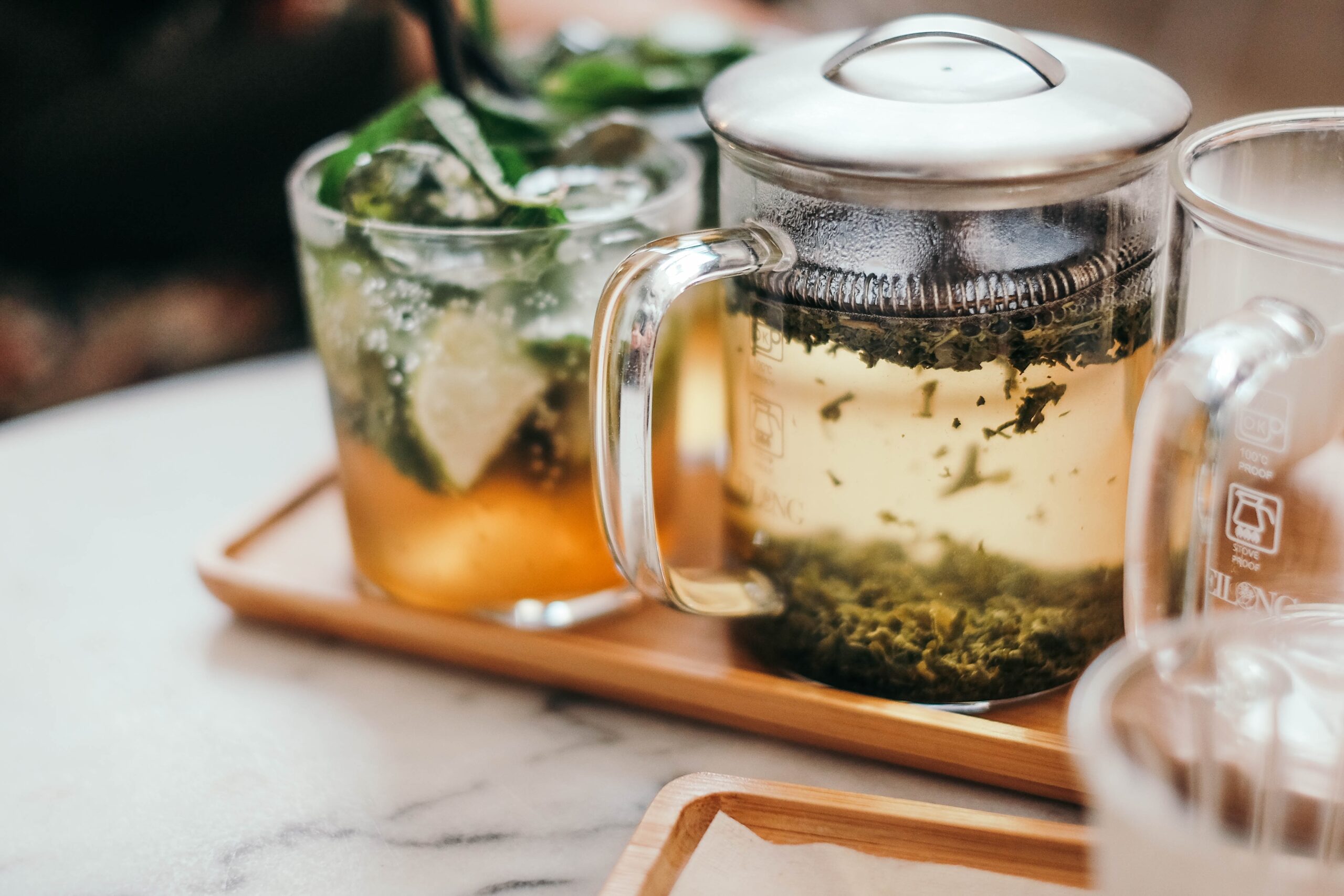
While peppermint is not a sedative herb, it can indirectly support better sleep by easing digestive discomfort, bloating, and muscle tension that may interfere with rest. Its active compound, menthol, has natural antispasmodic properties.
Benefits for Sleep:
-
Helps relieve digestive discomfort – Reduces bloating, gas, and indigestion
-
Reduces muscle tension – Natural muscle relaxant properties
-
Supports relaxation through comfort – When digestion is calm, sleep comes easier
-
Refreshing caffeine-free option – Clean, minty taste
Peppermint tea is a great choice if nighttime discomfort or digestion issues are contributing to poor sleep. Many people find that digestive issues—heartburn, bloating, or an upset stomach—are significant barriers to falling asleep. Peppermint addresses these issues naturally.
Important: Some people with GERD or acid reflux may find peppermint worsens symptoms. If you have these conditions, try chamomile or ginger tea instead.
Best for: Digestive-related sleep issues, muscle tension, IBS symptoms
Quick Comparison: Which Sleep Tea Is Right for You?
|
Tea Type |
Primary Benefit |
Active Compound |
Best For |
Onset Time |
|
Chamomile |
Reduces anxiety |
Apigenin |
General insomnia, anxiety |
30-45 min |
|
Valerian Root |
Increases GABA |
Valerenic acid |
Chronic insomnia |
1-2 weeks |
|
Lavender |
Lowers stress |
Linalool |
Stress-related sleep issues |
30-60 min |
|
Passionflower |
Calms racing thoughts |
Flavonoids |
Nighttime restlessness |
45-60 min |
|
Lemon Balm |
Mild sedation |
Rosmarinic acid |
Anxiety & mood |
30-45 min |
|
Magnolia Bark |
Reduces cortisol |
Honokiol |
Stress-induced insomnia |
45-90 min |
|
Peppermint |
Digestive comfort |
Menthol |
Digestive sleep issues |
20-30 min |
How to Use Tea for Better Sleep
To get the most benefit from sleep-promoting teas, consistency and timing are key. Here’s how to incorporate sleep tea into your nightly routine for maximum effectiveness.
Best Practices for Brewing Sleep Tea
Timing: Drink your tea about 30 to 60 minutes before bedtime as part of a calming nighttime routine. This gives your body time to absorb the beneficial compounds and signals your brain that it’s time to wind down.
Brewing Instructions:
-
Use 1-2 teaspoons of dried herbs or 1 tea bag per 8 oz of water
-
Heat water to 200-212°F (just below boiling)
-
Steep for 5-10 minutes (longer for a stronger effect, especially valerian)
-
Cover while steeping to preserve volatile oils
-
Strain and drink warm, not hot
Tips for Best Results:
✓ Choose caffeine-free herbal teas only – Even small amounts of caffeine can disrupt sleep
✓ Avoid sweeteners that spike blood sugar – High sugar can cause energy fluctuations; use honey sparingly if needed
✓ Pair tea with calming activities – Reading, gentle stretching, journaling, or meditation
✓ Limit screen time before bed – Blue light interferes with melatonin production
✓ Create a consistent bedtime ritual – Your body learns to recognize sleep cues
✓ Be patient with herbs like valerian – Some teas take 1-2 weeks of consistent use for full effects
Creating Your Perfect Sleep Tea Blend
Many people find that combining sleep teas creates synergistic effects:
-
Relaxation blend: Chamomile + Lavender + Lemon Balm
-
Deep sleep blend: Valerian + Passionflower + Chamomile
-
Stress relief blend: Magnolia Bark + Lavender + Lemon Balm
-
Digestive calm blend: Peppermint + Chamomile
Creating a predictable bedtime ritual helps train your body to recognize when it’s time to rest. The act of preparing and sipping tea itself becomes a meditative practice that signals the transition from day to night.
When Tea Is Not Enough
While teas can be highly effective for many people, persistent sleep problems lasting more than a few weeks may be a sign of deeper issues, such as:
-
Hormonal imbalance (thyroid, cortisol, sex hormones)
-
Chronic stress or adrenal dysfunction
-
Chronic pain or inflammation
-
Sleep apnea or other sleep disorders
-
Nervous system dysregulation
-
Nutrient deficiencies (magnesium, B vitamins, vitamin D)
-
Underlying health conditions
In these cases, a personalized, root-cause approach is often needed. A functional medicine practitioner can help identify and address the underlying factors disrupting your sleep, rather than just masking symptoms.
Frequently Asked Questions About Sleep Teas
1. What is the best tea for sleep?
Chamomile tea is considered the best tea for sleep by most experts and is backed by the most research. It contains apigenin, an antioxidant that binds to brain receptors to promote relaxation and reduce anxiety. Chamomile helps shorten the time it takes to fall asleep and improves overall sleep quality. However, the “best” tea depends on your specific sleep challenges—valerian is better for chronic insomnia, while lavender excels for stress-related sleep issues.
2. How long before bed should I drink tea for sleep?
Drink sleep tea 30 to 60 minutes before bedtime for best results. This timing allows your body to absorb the beneficial compounds and gives you time to complete your bedtime routine. Drinking tea too close to bedtime may result in needing to use the bathroom during the night.
3. Can I drink sleep tea every night?
Yes, most herbal sleep teas like chamomile, lavender, lemon balm, and passionflower are safe for nightly use. Unlike sleep medications, these teas don’t cause dependency or tolerance when used regularly. However, if you’re using stronger herbs like valerian or magnolia bark, it’s wise to take occasional breaks or consult with a healthcare provider for long-term use guidance.
4. Which tea is stronger for sleep: valerian or chamomile?
Valerian root tea is stronger than chamomile for sleep. Valerian increases GABA levels in the brain to calm the nervous system and is often used for chronic insomnia. However, it may take 1-2 weeks of consistent use to see results. Chamomile works faster (30-45 minutes) but has milder sedative effects, making it better for occasional sleep troubles or mild insomnia.
5. Do sleep teas really work, or is it placebo?
Sleep teas really work beyond placebo effects. Scientific research has identified specific bioactive compounds in sleep teas that interact with neurotransmitters and brain receptors. Chamomile contains apigenin, valerian boosts GABA, and lavender reduces stress hormones—all mechanisms with documented physiological effects. Multiple peer-reviewed studies have demonstrated improved sleep quality, reduced sleep latency, and better sleep continuity with herbal tea use.
6. Can I combine different sleep teas?
Yes, combining sleep teas can create synergistic effects. Popular combinations include chamomile with lavender for relaxation, valerian with passionflower for deeper sleep, or lemon balm with chamomile for anxiety relief. Start with individual teas to see how your body responds, then experiment with blends.
7. Are there any side effects of sleep teas?
Sleep teas are generally very safe, but some considerations include:
-
Valerian may cause headaches or digestive upset in some people
-
Peppermint can worsen acid reflux in sensitive individuals
-
Some people may be allergic to chamomile, especially if allergic to ragweed
-
Pregnant or nursing women should consult a healthcare provider before use
-
Sleep teas may interact with sedative medications
8. How much tea should I drink for sleep?
One cup (8 oz) of sleep tea is typically sufficient. Drinking too much liquid before bed may disrupt sleep by causing nighttime bathroom trips. If you want stronger effects, increase the steeping time or amount of herbs used rather than drinking multiple cups.
Conclusion: Support Better Sleep Naturally
Quality sleep is essential for healing, energy, mood, cognitive function, and long-term health. Herbal teas offer a simple, natural, and scientifically supported way to relax the body and mind while supporting healthy sleep cycles.
Whether you prefer the gentle effects of chamomile, the powerful support of valerian root, the stress relief of lavender, or the digestive comfort of peppermint, the right tea can make a meaningful difference in how you rest and recover.
Key Takeaways:
-
Sleep teas work through bioactive compounds that calm the nervous system
-
Chamomile is best for general use, valerian for chronic insomnia
-
Consistency is key—use your chosen tea nightly for 1-2 weeks
-
Combine tea with good sleep hygiene for optimal results
-
If problems persist, seek professional guidance for root-cause solutions
If sleep issues are affecting your quality of life, you don’t have to manage them alone. While herbal teas provide gentle support, persistent sleep problems may require a deeper, personalized approach.
Ready to Improve Your Sleep Naturally?
Call (858) 333-5196 to schedule your FREE 10-minute consultation with Dr. Collins and explore personalized solutions designed to help you sleep better, feel better, and function at your best.
Dr. Collins specializes in root-cause medicine that addresses the underlying factors disrupting your sleep—from hormonal imbalances to chronic stress and nervous system dysregulation. Discover what’s truly keeping you awake and create a customized plan for lasting sleep improvement.
About Dr. Collins
Dr. Collins is a functional medicine practitioner with extensive experience helping patients achieve better sleep through natural, root-cause approaches. Specializing in integrative solutions for insomnia, hormonal imbalances, and chronic stress, Dr. Collins offers personalized care that addresses the underlying factors affecting your health.
Medical Disclaimer: This article is for informational purposes only and is not intended to replace professional medical advice, diagnosis, or treatment. Always consult with a qualified healthcare provider before starting any new herbal supplement, especially if you are pregnant, nursing, taking medications, or have underlying health conditions. Individual results may vary.
References:
-
Journal of Advanced Nursing (2016) – Effects of chamomile tea on sleep quality in postpartum women
-
Sleep Medicine Reviews – Valerian for sleep: systematic review and meta-analysis
-
Phytomedicine (2015) – Lavender and the nervous system
-
European Neuropsychopharmacology – GABA mechanisms in sleep regulation
Want to talk this through for your own health? Book a visit with Dr. Drew Collins, ND at 601 NW Harmon Blvd in Bend, or call (858) 333-5196.