
|
Content reviewed by Dr. Drew Collins, Naturopathic Doctor at Proactive Choice |
Lead poisoning is a serious and often overlooked health concern that can affect people of all ages. Exposure to lead can occur through contaminated water, old paint, soil, certain occupations, and even imported products. Once lead enters the body, it accumulates in the blood, bones, and organs, interfering with essential biological processes. Chelation therapy is one of the most established medical treatments for removing excess lead from the body and reducing its toxic effects. Understanding how chelation therapy works, who it is for, and what results to expect is essential for anyone concerned about lead exposure and long-term health.
Quick Summary: Chelation for Lead Poisoning
Primary Purpose: Chelation therapy uses specialized agents (like EDTA or DMSA) to bind to lead in the bloodstream and filter it out through the kidneys.
When It’s Needed: It is typically recommended for moderate to severe lead toxicity where blood lead levels exceed safety thresholds.
Administration: Treatment can be administered orally or intravenously depending on the severity of the case.
Safety: Must be performed under medical supervision to monitor kidney function and mineral balance (calcium, zinc, etc.).
Holistic Recovery: Success requires removing the source of lead exposure and supporting the body with proper nutrition and antioxidants.
What Is Lead Poisoning?
Lead poisoning is a medical condition caused by the accumulation of lead in the body, typically over months or years. It primarily affects the nervous system and organs and is diagnosed when blood lead levels exceed safety thresholds (typically 3.5–5 µg/dL).
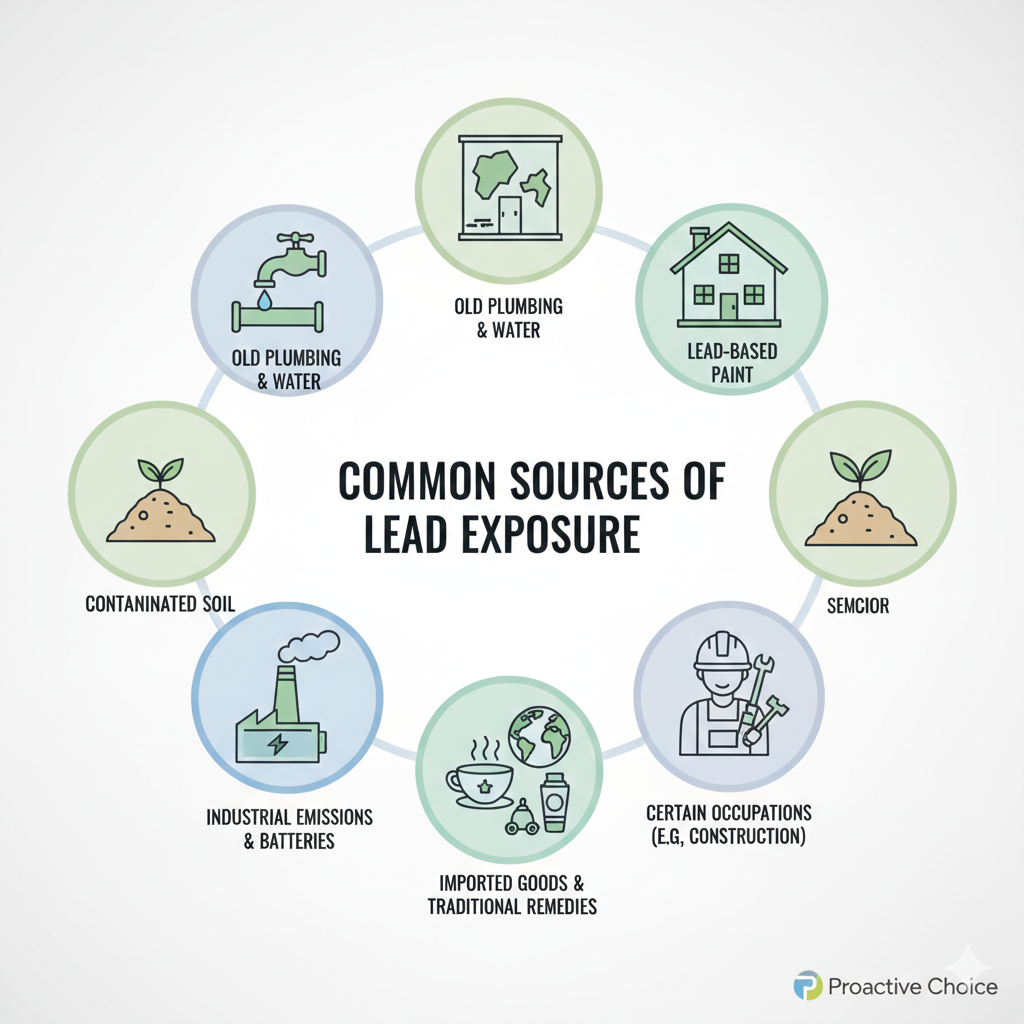
Lead poisoning occurs when lead builds up in the body over time. Even small amounts can be harmful, particularly for children, pregnant women, and individuals with chronic exposure. Lead affects the nervous system, kidneys, cardiovascular system, and immune function. In children, it can impair cognitive development and behavior. In adults, it may contribute to high blood pressure, memory problems, fatigue, and organ damage.
Common sources of lead exposure include aging plumbing systems, lead-based paint in older buildings, industrial emissions, battery manufacturing, and contaminated soil or water. Because symptoms can be subtle or mistaken for other conditions, lead poisoning often goes undiagnosed until blood testing is performed.
CDC Updates Blood Lead Reference Value
As of October 28, 2021, the CDC uses a blood lead reference value (BLRV) of 3.5 micrograms per deciliter (µg/dL) to identify children with blood lead levels that are higher than most children’s levels.
What Is Chelation Therapy?
Chelation therapy is a medical treatment designed to remove heavy metals, including lead, from the bloodstream. The term chelation comes from a process in which a chelating agent binds to metal ions in the body. Once bound, the metal is safely excreted through urine.
In cases of lead poisoning, chelation therapy helps reduce the total body burden of lead and prevents further damage to organs and tissues. It is considered an evidence-based treatment for moderate to severe lead toxicity when blood lead levels exceed established safety thresholds.
How Chelation Therapy Works for Lead Poisoning

Chelation therapy involves administering chelating agents that attach to lead molecules in the blood. These agents form stable complexes with lead, preventing it from binding to tissues. The kidneys then filter these complexes out of the body.
Chelation can be administered orally or intravenously, depending on the severity of lead poisoning and the patient’s overall health. Intravenous chelation is typically used for higher lead levels or when rapid detoxification is necessary. Oral chelation may be recommended for milder cases or as part of ongoing management.
The treatment process is carefully monitored through blood tests, kidney function assessments, and symptom tracking to ensure safety and effectiveness.
Common Chelating Agents Used for Lead Poisoning
Several chelating agents are commonly used in clinical practice for lead detoxification
:
-
EDTA is one of the most widely used chelating agents for lead poisoning. It is administered intravenously and is effective at binding lead in the bloodstream.
-
DMSA is an oral chelating agent often used in children or individuals with moderate lead exposure. It is generally well-tolerated when used under medical supervision.
-
DMPS is another chelating agent that may be used in certain cases, particularly when multiple heavy metals are involved.
|
Agent |
Administration |
Best Used For |
|
EDTA |
Intravenous (IV) |
High lead levels; rapid detoxification in adults. |
|
DMSA |
Oral |
Children and moderate lead exposure. |
|
DMPS |
Oral/IV |
Complex cases involving multiple heavy metals. |
The choice of chelating agent depends on blood lead levels, patient age, kidney function, and overall health status.
Benefits of Chelation Therapy for Lead Poisoning
Chelation therapy offers several important benefits for individuals affected by lead toxicity:
-
It reduces blood lead levels, lowering the risk of ongoing organ damage.
-
It helps alleviate symptoms such as fatigue, headaches, cognitive difficulties, and gastrointestinal distress.
-
It supports neurological recovery, particularly when initiated early
-
It can improve cardiovascular and kidney function impacted by lead exposure.
-
It prevents long-term complications associated with chronic lead accumulation.
When properly administered, chelation therapy can be a powerful tool in restoring health and reducing toxic burden.
Risks and Side Effects of Chelation Therapy
While chelation therapy is generally safe when supervised by a qualified medical professional, it is not without risks. Possible side effects may include nausea, headache, fatigue, or mild gastrointestinal upset. In rare cases, electrolyte imbalances or kidney strain can occur.
Chelating agents may also bind to essential minerals such as calcium, magnesium, and zinc. For this reason, mineral levels are closely monitored, and supplementation may be recommended during or after treatment.
Chelation therapy should never be attempted without professional guidance, as improper use can lead to serious complications.
Who Is a Candidate for Chelation Therapy?
Chelation therapy is typically recommended for individuals with confirmed elevated blood lead levels and symptoms of toxicity. Candidates may include:
-
Children with high blood lead levels are identified through screening.
-
Adults with occupational or environmental lead exposure.
-
Individuals experiencing neurological or cardiovascular symptoms linked to lead.
-
Patients with chronic low-level exposure and impaired detoxification.
A thorough evaluation, including blood testing and medical history, is essential before starting treatment.
Chelation Therapy and Long-Term Recovery
Chelation therapy is most effective when combined with strategies to eliminate ongoing lead exposure. This may involve improving water quality, addressing environmental hazards, and making nutritional changes that support detoxification.
Adequate intake of nutrients such as calcium, iron, and vitamin C can help reduce lead absorption and support recovery. Lifestyle modifications and follow-up testing are also critical to ensure lead levels remain within safe ranges.
Recovery timelines vary depending on the severity and duration of exposure, but many patients experience noticeable improvements in symptoms after completing treatment.
Is Chelation Therapy Effective for Chronic Lead Exposure?
Chelation therapy can be beneficial for both acute and chronic lead poisoning, although chronic cases may require multiple treatment cycles. Lead stored in bones can slowly re-enter the bloodstream over time, making long-term monitoring essential.
For individuals with long-standing exposure, a personalized treatment plan is necessary to safely reduce lead levels while supporting overall health.
Conclusion: Taking Action Against Lead Poisoning
Lead poisoning is a serious health issue that requires timely and effective treatment. Chelation therapy remains one of the most reliable medical options for removing lead from the body and reducing its harmful effects. When administered by experienced healthcare professionals, it can play a crucial role in restoring health, protecting vital organs, and preventing long-term complications.
If you are concerned about lead exposure or experiencing unexplained symptoms, seeking professional evaluation is the first step. Early intervention can make a significant difference in outcomes and quality of life.
At Proactive Choice, we focus on personalized, integrative approaches to detoxification and recovery. Your wellness journey begins with a FREE 10-minute consultation. Call (858) 333-5196 today and take your first step toward safer, healthier living.
Frequently Asked Questions
How long does chelation therapy take to work for lead poisoning?
The duration of treatment varies based on the level of toxicity. Acute cases may show improvement within weeks, while chronic lead stored in the bones may require multiple cycles of treatment over several months to safely lower the total body burden.
Can you do chelation therapy at home?
Oral chelating agents like DMSA should only be taken under strict medical supervision. “DIY” or over-the-counter chelation is dangerous as it can cause severe electrolyte imbalances, kidney damage, or redistribute lead to the brain if not managed correctly.
What are the most common side effects of lead chelation?
Common side effects include fatigue, mild nausea, and headaches as the body processes the metals. Because chelating agents can also remove beneficial minerals, doctors often prescribe mineral supplements to prevent deficiencies during the process.
How do I know if I need chelation therapy?
The first step is a blood lead level (BLL) test. Medical guidelines generally recommend chelation for adults with symptomatic lead poisoning or children with BLLs above $45\ \mu g/dL$, though integrative approaches may consider treatment for lower levels if symptoms are present.
What is the difference between EDTA and DMSA?
EDTA is primarily administered intravenously (IV) and is highly effective for removing lead from the blood in adults. DMSA is an FDA-approved oral medication frequently used for children and those with moderate lead levels who prefer a non-invasive option.
For a broader look at this kind of care, see Integrative Medicine in Bend, OR.
Want to talk this through for your own health? Book a visit with Dr. Drew Collins, ND at 601 NW Harmon Blvd in Bend, or call (858) 333-5196.