
Author: Dr. Drew Collins, ND
Medically Reviewed By: Dr. Drew Collins, ND, Proactive Choice, Bend, OR
What’s the difference between HBOT and Ozone Therapy?
Hyperbaric Oxygen Therapy (HBOT) delivers 100% pure oxygen under increased atmospheric pressure to saturate tissues and accelerate healing. Ozone Therapy uses medical-grade ozone (O₃) to trigger controlled oxidative responses that improve oxygen metabolism and immune function. HBOT excels at tissue repair and wound healing, while Ozone Therapy specializes in immune modulation and detoxification.
|
Feature |
HBOT |
Ozone Therapy |
|
Delivery |
Pressurized chamber |
IV, injection, insufflation |
|
Primary Goal |
Tissue oxygen saturation |
Improved oxygen utilization |
|
Best For |
Wound healing, recovery |
Immune support, detox |
|
Session Time |
60-90 minutes |
20-45 minutes |
Table of Contents |
|
Understanding Oxygen-Based Therapies
Oxygen-based therapies represent a growing frontier in integrative and regenerative medicine. Both Hyperbaric Oxygen Therapy and Ozone Therapy harness oxygen’s healing properties, but through fundamentally different mechanisms.
Why Oxygen Matters for Healing
Every cell in your body requires oxygen to produce energy, repair damage, and fight infection. When tissues are injured, inflamed, or poorly circulated, oxygen delivery becomes compromised. This oxygen deficit slows healing and can perpetuate chronic conditions.
Advanced oxygen therapies address this deficit in two distinct ways:
-
HBOT: Increases oxygen availability by delivering it under pressure
-
Ozone Therapy: Improves oxygen utilization by optimizing cellular metabolism
Understanding these differences is essential for choosing the right treatment for your specific health goals.
What Is Hyperbaric Oxygen Therapy (HBOT)?
Hyperbaric Oxygen Therapy involves breathing 100% pure oxygen inside a pressurized chamber at 1.5 to 3.0 times normal atmospheric pressure (ATA). This combination of pure oxygen and increased pressure creates unique healing conditions impossible to achieve through normal breathing.
How Does HBOT Work?
Under normal conditions, oxygen binds to hemoglobin in red blood cells for transport throughout the body. However, under hyperbaric conditions, oxygen dissolves directly into:
-
Blood plasma
-
Lymphatic fluid
-
Cerebrospinal fluid
-
Interstitial tissue fluid
This plasma-dissolved oxygen can reach areas with poor blood flow, including:
-
Damaged tissue with compromised blood vessels
-
Swollen areas where circulation is restricted
-
Tissues affected by radiation damage
-
Infected wounds with reduced oxygen availability
The Pressure-Oxygen Relationship: At 2.0 ATA, plasma oxygen levels can increase by up to 1,200%, creating a hyperoxic state that triggers multiple healing cascades.
HBOT Treatment Protocol
What to Expect During a Session:
-
Enter a clear acrylic chamber (hard-shell) or soft-sided portable chamber
-
Chamber gradually pressurizes over 10-15 minutes
-
Breathe normally while inside (60-90 minutes total)
-
Chamber slowly depressurizes over 5-10 minutes
-
Exit and resume normal activities
Typical Treatment Course:
-
Acute conditions: 10-20 sessions
-
Chronic conditions: 20-40 sessions
-
Frequency: Daily or 5 days per week
Evidence-Supported Uses of HBOT
FDA-Approved Indications:
-
Decompression sickness (the bends)
-
Air or gas embolism
-
Carbon monoxide poisoning
-
Crush injuries and compartment syndrome
-
Diabetic foot ulcers (non-healing)
-
Radiation tissue damage (osteoradionecrosis)
-
Chronic refractory osteomyelitis
-
Acute thermal burns
-
Compromised skin grafts and flaps
-
Necrotizing soft tissue infections
-
Acute traumatic ischemia
Emerging Clinical Applications:
-
Traumatic brain injury (TBI) recovery
-
Post-stroke rehabilitation
-
Post-surgical healing acceleration
-
Chronic inflammatory conditions
-
Lyme disease neurological symptoms
-
Autism spectrum support (research ongoing)
-
Sports injury recovery
-
Anti-aging and wellness optimization
The Science Behind HBOT Benefits
Neovascularization (New Blood Vessel Formation): HBOT stimulates vascular endothelial growth factor (VEGF), promoting new capillary formation in oxygen-deprived tissues.
Enhanced Immune Function: Hyperoxia increases white blood cell killing capacity against bacteria and fungi while simultaneously reducing inflammatory cytokines.
Stem Cell Mobilization: Studies show HBOT can increase circulating stem cells by up to 800%, supporting tissue regeneration throughout the body.
Mitochondrial Biogenesis: Repeated HBOT sessions trigger the creation of new mitochondria, improving cellular energy production long-term.
What Is Ozone Therapy?
Ozone Therapy uses medical-grade ozone (O₃)—a molecule consisting of three oxygen atoms—to stimulate the body’s natural healing and detoxification systems. Unlike oxygen therapy, ozone is never inhaled; it’s administered through controlled medical techniques.
How Does Ozone Therapy Work?
When medical ozone enters the body, it immediately reacts with biological compounds and breaks down into:
-
Regular oxygen (O₂)
-
Reactive oxygen species (ROS)—signaling molecules
This controlled oxidative response triggers a “hormetic effect”—a mild stress that prompts the body to strengthen its defenses.
Biochemical Cascade Triggered by Ozone:
Phase 1: Oxidative Stimulation (First 30 Minutes)
-
Brief increase in reactive oxygen species
-
Activation of nuclear factor erythroid 2-related factor 2 (Nrf2) pathway
-
Upregulation of antioxidant enzyme production
Phase 2: Adaptive Response (Hours to Days)
-
Increased glutathione, superoxide dismutase, and catalase
-
Enhanced mitochondrial efficiency
-
Improved oxygen metabolism at cellular level
-
Modulation of immune system function
Ozone Therapy Administration Methods
1. Major Autohemotherapy (MAH) Most common method
-
50-200 mL of blood drawn from patient
-
Blood mixed with medical ozone in sterile container
-
Ozonated blood reinfused via IV
-
Session time: 30-45 minutes
2. Minor Autohemotherapy
-
Small amount of blood (5-10 mL) withdrawn
-
Mixed with ozone
-
Reinjected intramuscularly
-
Acts as immune system stimulant
3. Rectal Insufflation
-
Medical ozone introduced into lower colon
-
Absorbed through intestinal wall
-
Systemic effects without needles
-
Alternative for those who cannot tolerate IV
4. Ozone Limb Bagging
-
Affected limb (arm or leg) enclosed in bag
-
Medical ozone introduced into sealed bag
-
Absorbed through skin
-
Effective for wound healing, infections, circulatory issues
5. Prolozone Injections
-
Combination of ozone, procaine, and nutrients
-
Injected directly into joints, trigger points, or injured tissues
-
Used for pain management and tissue regeneration
IMPORTANT: Inhalation of ozone is never used medically due to lung tissue irritation. Only trained practitioners should administer ozone therapy using approved methods.
Evidence-Supported Uses of Ozone Therapy
Immune System Conditions:
-
Chronic viral infections (Epstein-Barr, Herpes)
-
Lyme disease and co-infections
-
Mold illness and CIRS (Chronic Inflammatory Response Syndrome)
-
Autoimmune disease modulation (Hashimoto’s, rheumatoid arthritis)
Chronic Inflammatory Conditions:
-
Fibromyalgia
-
Chronic fatigue syndrome (ME/CFS)
-
Inflammatory bowel disease support
-
Chronic pain syndromes
Detoxification Support:
-
Heavy metal burden (mercury, lead)
-
Environmental toxin exposure
-
Liver support and detox pathways
-
Mold mycotoxin elimination
Circulatory and Metabolic Disorders:
-
Peripheral vascular disease
-
Age-related macular degeneration
-
Diabetic complications
-
Metabolic syndrome
Neurological Applications:
-
Brain fog and cognitive decline
-
Neurodegenerative disease support
-
Migraine and headache disorders
-
Post-concussion syndrome
The Science Behind Ozone Therapy Benefits
-
Immune Modulation: Ozone therapy balances overactive immune responses (autoimmunity) while enhancing defenses against pathogens—a unique bidirectional effect.
-
Mitochondrial Support: By improving oxygen utilization efficiency, ozone helps mitochondria produce more ATP (cellular energy) with less oxidative stress.
-
Circulatory Enhancement: Ozone improves red blood cell flexibility and oxygen release capacity, enhancing microcirculation even without new blood vessel growth.
-
Detoxification Pathway Activation: Increased glutathione production supports Phase II liver detoxification and protects cells from oxidative damage.
Key Differences: HBOT vs Ozone Therapy
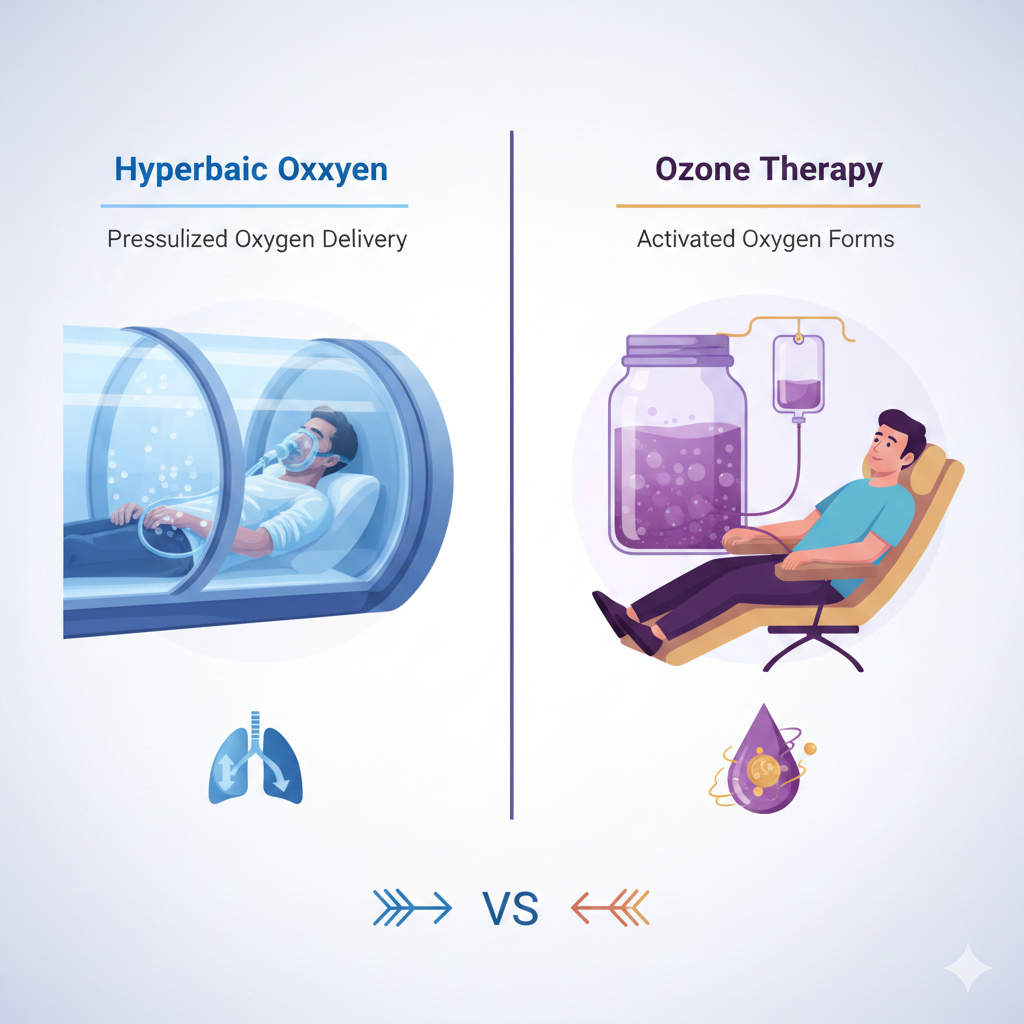
Detailed Comparison
|
Aspect |
Hyperbaric Oxygen Therapy |
Ozone Therapy |
|
Mechanism |
Delivers oxygen under pressure |
Triggers oxidative signaling |
|
Administration |
Pressurized chamber |
IV, injection, insufflation |
|
Session Duration |
60-90 minutes |
20-45 minutes |
|
Treatment Goal |
Tissue oxygen saturation |
Enhanced oxygen metabolism |
|
Best Applications |
Wound healing, recovery, tissue damage |
Immune support, detox, inflammation |
|
Oxidative Stress |
Minimal (antioxidant-friendly) |
Controlled (hormetic stimulus) |
|
Equipment Required |
Specialized hyperbaric chamber |
Medical ozone generator, sterile supplies |
|
FDA Status |
Approved for specific conditions |
Off-label use in integrative medicine |
|
Cost Per Session |
$150-$350 |
$75-$250 |
|
Typical Course |
20-40 sessions |
10-30 sessions |
Treatment Environment
HBOT: Requires a dedicated facility with certified hyperbaric chambers. Hard-shell chambers accommodate one person (monoplace) or multiple people (multiplace). Portable soft chambers offer lower pressures (1.3-1.5 ATA) for home use but are less powerful.
Ozone Therapy: Performed in standard medical office settings. No specialized infrastructure needed beyond medical-grade ozone generator and sterile technique protocols.
Mechanism of Action: Deep Dive
How HBOT Heals:
-
Passive Oxygen Delivery: Pressure forces oxygen into tissues
-
Immediate Saturation: Creates hyperoxic environment within minutes
-
Direct Effect: Oxygen itself performs therapeutic action
-
Cumulative Growth: Each session builds on previous (angiogenesis, stem cells)
How Ozone Therapy Heals:
-
Active Cellular Signaling: Ozone triggers adaptive response
-
Delayed Peak Effect: Benefits maximize 24-72 hours post-treatment
-
Indirect Effect: Ozone prompts body to heal itself
-
Systemic Reset: Rebalances oxidative/antioxidant equilibrium
Primary Therapeutic Goals
Choose HBOT when the goal is:
-
Accelerated tissue repair after injury or surgery
-
Healing chronic wounds that won’t close
-
Recovery from oxygen-deprivation events (stroke, CO poisoning)
-
Reversing radiation damage to tissues
-
Fighting infections requiring enhanced white blood cell activity
-
Neurological recovery requiring new neural pathways
Choose Ozone Therapy when the goal is:
-
Immune system rebalancing (too weak or overactive)
-
Systemic detoxification from toxins or infections
-
Improving cellular energy production
-
Reducing chronic widespread inflammation
-
Enhancing circulation without growing new vessels
-
Supporting the body’s self-healing mechanisms
Benefits of Hyperbaric Oxygen Therapy
Scientifically Validated Benefits
1. Accelerated Wound Healing: HBOT increases tissue oxygen levels by up to 1,200%, providing the oxygen necessary for collagen synthesis, fibroblast activity, and epithelial cell migration. Chronic wounds that have resisted healing for months can show significant improvement within 10-20 sessions.
Clinical Evidence: A 2023 systematic review found HBOT reduced healing time for diabetic foot ulcers by an average of 30% compared to standard care alone.
2. Neurological Recovery Support: The brain is exceptionally sensitive to oxygen levels. HBOT can penetrate the blood-brain barrier, delivering oxygen to damaged neural tissue while reducing inflammation and promoting neuroplasticity.
Applications:
-
Post-stroke recovery (even years after event)
-
Traumatic brain injury rehabilitation
-
Concussion and post-concussion syndrome
-
Hypoxic brain injury from cardiac arrest
-
Certain types of cerebral palsy
3. Enhanced Immune Function: Hyperoxia significantly improves white blood cell capacity to kill bacteria and fungi. Simultaneously, HBOT creates an inhospitable environment for anaerobic bacteria (those that thrive without oxygen).
Infection-Fighting Properties:
-
Increases neutrophil oxidative killing
-
Enhances macrophage activity
-
Supports antibiotic effectiveness
-
Reduces biofilm formation
4. Anti-Inflammatory Effects: While providing oxygen, HBOT paradoxically reduces inflammatory cytokines (IL-1, IL-6, TNF-alpha) and increases anti-inflammatory mediators (IL-10). This makes it valuable for chronic inflammatory conditions.
5. Stem Cell Mobilization: Research shows 20 HBOT sessions can increase circulating CD34+ stem cells by 800%. These stem cells contribute to tissue regeneration throughout the body, not just the targeted area.
6. Angiogenesis (New Blood Vessel Growth): HBOT stimulates VEGF production, leading to formation of new capillaries in oxygen-deprived areas. This permanent improvement in blood supply continues benefiting tissues long after treatment ends.
7. Mitochondrial Function Improvement: Recent studies show HBOT can lengthen telomeres (cellular aging markers) and increase mitochondrial density, potentially offering anti-aging benefits at the cellular level.
Patient-Reported Benefits
Beyond clinical outcomes, patients commonly report:
-
Improved energy levels
-
Better sleep quality
-
Enhanced cognitive clarity
-
Reduced pain levels
-
Faster athletic recovery
-
Overall sense of well-being
Benefits of Ozone Therapy
Scientifically Supported Benefits
1. Immune System Regulation: Ozone therapy demonstrates remarkable bidirectional immune modulation—it can strengthen weak immune responses while calming overactive ones.
How It Works:
-
Balances Th1/Th2 immune pathways
-
Modulates cytokine production
-
Enhances interferon production against viruses
-
Reduces autoimmune antibody activity
Clinical Applications:
-
Chronic viral infections (persistent Epstein-Barr, herpes)
-
Lyme disease and tick-borne co-infections
-
Autoimmune conditions requiring immune rebalancing
-
Recurrent infections indicating immune weakness
2. Improved Oxygen Utilization: Unlike HBOT which saturates tissues with oxygen, ozone therapy improves how efficiently cells use available oxygen. This occurs through:
-
Increased 2,3-DPG in red blood cells: Improves oxygen release to tissues
-
Enhanced mitochondrial respiration: More ATP production per oxygen molecule
-
Improved red blood cell flexibility: Better flow through tiny capillaries
Result: Cells can do more with the oxygen they already have.
3. Detoxification Pathway Enhancement: Ozone therapy is one of the most powerful natural glutathione inducers. Glutathione is the body’s master antioxidant and primary detoxification molecule.
Detoxification Benefits:
-
Increased Phase II liver detoxification
-
Enhanced heavy metal chelation
-
Improved mycotoxin elimination
-
Support for chemical sensitivity recovery
-
Reduced oxidative stress burden
4. Mitochondrial Support and Energy Production: By optimizing mitochondrial efficiency, ozone therapy addresses the root cause of many chronic conditions—cellular energy deficiency.
Energy-Related Improvements:
-
Increased ATP production
-
Reduced mitochondrial oxidative damage
-
Enhanced cellular respiration
-
Improved recovery from chronic fatigue
-
Better exercise tolerance
5. Circulatory Enhancement: Ozone improves microcirculation through multiple mechanisms:
-
Increased red blood cell deformability
-
Reduced blood viscosity
-
Improved nitric oxide production (vasodilation)
-
Enhanced oxygen delivery to peripheral tissues
Conditions Benefiting from Improved Circulation:
-
Peripheral vascular disease
-
Diabetic neuropathy
-
Raynaud’s phenomenon
-
Age-related macular degeneration
-
Cognitive decline from reduced brain perfusion
6. Anti-Inflammatory Effects: The controlled oxidative stress from ozone therapy paradoxically reduces chronic inflammation by:
-
Upregulating antioxidant enzymes
-
Modulating inflammatory cytokines (reduces IL-6, TNF-alpha)
-
Supporting tissue repair mechanisms
-
Breaking inflammatory feedback loops
7. Antimicrobial Activity: Ozone demonstrates broad-spectrum antimicrobial effects against:
-
Bacteria (including antibiotic-resistant strains)
-
Viruses (by disrupting viral replication)
-
Fungi and yeast overgrowth
-
Parasites
This makes it valuable for chronic infections that don’t respond to conventional treatments.
Patient-Reported Benefits
Patients frequently report:
-
Significant increase in energy and stamina
-
Improved mental clarity and focus
-
Reduced brain fog
-
Better mood and emotional resilience
-
Decreased pain and inflammation
-
Enhanced recovery from illness
-
Improved exercise tolerance
-
Better sleep quality
Safety Considerations
Both therapies are considered safe when administered by properly trained healthcare professionals following established protocols.
HBOT Safety Profile
Common Side Effects (Generally Mild):
-
Ear pressure or discomfort (like airplane descent)
-
Sinus pressure or congestion
-
Temporary vision changes (usually resolves)
-
Fatigue after initial sessions
-
Mild claustrophobia (in hard-shell chambers)
Managing Ear Pressure: Patients learn equalization techniques (swallowing, yawning, Valsalva maneuver) to prevent middle ear barotrauma—the most common HBOT complication.
Rare but Serious Complications:
-
Middle ear barotrauma (if unable to equalize)
-
Pneumothorax (in patients with lung blebs)
-
Oxygen toxicity seizures (extremely rare at therapeutic pressures)
-
Temporary worsening of cataracts (with prolonged treatment)
Contraindications:
-
Untreated pneumothorax (collapsed lung)
-
Recent ear surgery or ear infection
-
Certain types of lung disease (emphysema with blebs)
-
Recent chemotherapy with bleomycin or doxorubicin
-
Uncontrolled high fever
-
Pregnancy (relative contraindication)
Precautions:
-
Patients cannot bring electronics, petroleum products, or flammable materials into chamber (fire risk)
-
100% cotton clothing required
-
Some facilities restrict HBOT during active cancer treatment (oxygen may stimulate tumor growth—controversial)
Ozone Therapy Safety Profile
Common Side Effects (Usually Temporary):
-
Mild fatigue post-treatment (detoxification response)
-
Slight headache (usually indicates dehydration)
-
Flu-like symptoms (Herxheimer reaction from pathogen die-off)
-
Temporary increase in symptoms before improvement
-
Lightheadedness during or after IV ozone
These effects typically resolve within 24 hours and often indicate the therapy is working.
Managing Side Effects:
-
Adequate hydration before and after sessions
-
Starting with lower ozone doses and gradually increasing
-
Ensuring proper nutrition and electrolyte balance
-
Supporting detoxification pathways with binders if needed
Contraindications:
-
G6PD deficiency (enzyme deficiency causing hemolysis risk)
-
Active hyperthyroidism
-
Recent heart attack (within 3 months)
-
Pregnancy
-
Severe anemia
-
Thrombocytopenia (low platelet count)
-
Acute alcohol intoxication
Critical Safety Note: Ozone should NEVER be inhaled. Medical ozone therapy uses controlled routes of administration only. Inhalation can cause severe lung irritation and damage.
Choosing a Qualified Provider
For HBOT:
-
Look for facilities with certified hyperbaric chambers
-
Staff should include trained hyperbaric technicians
-
Medical director should be knowledgeable in hyperbaric medicine
-
Chamber should be inspected and certified regularly
-
Facility should follow UHMS (Undersea & Hyperbaric Medical Society) guidelines
For Ozone Therapy:
-
Practitioner should be licensed healthcare provider (MD, DO, ND, PA, NP)
-
Completed formal ozone therapy training
-
Uses medical-grade ozone generator (not air-fed)
-
Follows strict sterile technique protocols
-
Monitors patient response and adjusts treatment accordingly
-
Member of American Academy of Ozonotherapy (AAO) or similar organization
Pre-Treatment Evaluation
Both therapies require thorough medical evaluation including:
-
Complete health history
-
Current medications and supplements
-
Lab work (CBC, metabolic panel, G6PD for ozone)
-
Review of contraindications
-
Discussion of realistic expectations
-
Informed consent
Dr. Drew Collins performs comprehensive evaluations to determine which therapy, if either, is appropriate for each patient’s unique situation.
Which Therapy Should You Choose?
Selecting between HBOT and Ozone Therapy depends on your specific health goals, underlying conditions, current health status, and treatment priorities.
Choose HBOT If You Have:
Acute or Chronic Wounds:
-
Diabetic foot ulcers
-
Pressure ulcers (bedsores)
-
Radiation wounds
-
Non-healing surgical incisions
-
Burns
-
Compromised skin grafts
Recovery from Injury or Trauma:
-
Traumatic brain injury (TBI)
-
Stroke (acute or chronic phase)
-
Crush injuries
-
Compartment syndrome
-
Post-surgical recovery
-
Sports injuries requiring accelerated healing
Oxygen-Deprivation Conditions:
-
Carbon monoxide poisoning
-
Post-cardiac arrest recovery
-
Conditions with compromised blood flow
-
Tissue necrosis from any cause
Neurological Conditions:
-
Post-stroke rehabilitation
-
Cerebral palsy support
-
Certain dementia presentations
-
Migraine disorders (some types)
-
Peripheral neuropathy from various causes
Infectious Diseases:
-
Necrotizing soft tissue infections
-
Chronic osteomyelitis (bone infection)
-
Refractory abscesses
-
Gas gangrene
-
Biofilm-related infections
Choose Ozone Therapy If You Have:
Immune System Dysfunction:
-
Chronic Lyme disease and co-infections
-
Chronic viral infections (EBV, CMV, Herpes)
-
Mold illness (CIRS)
-
Autoimmune conditions requiring immune modulation
-
Recurrent infections
-
Immunodeficiency
Chronic Systemic Inflammation:
-
Fibromyalgia
-
Chronic fatigue syndrome (ME/CFS)
-
Multiple chemical sensitivity
-
Chronic pain syndromes
-
Inflammatory bowel disease support
Detoxification Needs:
-
Heavy metal toxicity
-
Mycotoxin exposure
-
Environmental toxin burden
-
Chemical sensitivity
-
Liver support needs
Metabolic and Circulatory Issues:
-
Peripheral vascular disease
-
Diabetic complications
-
Age-related macular degeneration
-
Metabolic syndrome
-
Poor circulation
Chronic Neurological Symptoms:
-
Persistent brain fog
-
Cognitive decline
-
Chronic headaches or migraines
-
Post-concussion syndrome (chronic phase)
-
Neurodegenerative disease support
Decision-Making Framework
Ask Yourself These Questions:
-
Is your condition primarily structural (tissue damage) or functional (system imbalance)?
-
Structural → Consider HBOT
-
Functional → Consider Ozone Therapy
-
-
Do you need direct oxygen delivery or improved oxygen utilization?
-
Direct delivery → HBOT
-
Better utilization → Ozone Therapy
-
-
Is your primary issue localized or systemic?
-
Localized (wound, specific injury) → HBOT often better
-
Systemic (whole-body inflammation, immune issues) → Ozone often better
-
-
What’s your recovery timeline?
-
Acute situation needing rapid intervention → HBOT
-
Chronic condition with time for gradual improvement → Either could work
-
-
What’s your treatment budget and time availability?
-
HBOT generally requires more time per session and may cost more
-
Ozone sessions are typically shorter and may be more affordable
-
-
Do you have any contraindications to either therapy?
-
Review safety considerations with qualified provider
-
The Personalized Approach
The most important factor is working with a knowledgeable practitioner who can:
-
Perform thorough assessment of your condition
-
Understand both therapies’ mechanisms
-
Consider your overall health picture
-
Monitor your response to treatment
-
Adjust protocols as needed
-
Recognize when to switch or combine therapies
Dr. Drew Collins specializes in integrative naturopathic medicine and can help determine which oxygen therapy aligns with your unique health needs and goals.
Combination Therapy Approach
In many integrative medicine practices, HBOT and Ozone Therapy are not mutually exclusive. Some patients benefit from sequential or combined protocols under professional guidance.
When Combination May Be Beneficial
Complementary Mechanisms:
-
HBOT saturates tissues with oxygen
-
Ozone therapy optimizes how cells use that oxygen
-
Together, they address both availability and utilization
Example Clinical Scenarios:
Complex Lyme Disease:
-
HBOT to reduce inflammation and support brain recovery
-
Ozone therapy to modulate immune response and support detoxification
-
Sequential approach: Start with one, add the other based on response
Chronic Wounds with Immune Dysfunction:
-
HBOT to accelerate local wound healing
-
Ozone therapy to address underlying immune factors preventing healing
-
May alternate sessions or use concurrently
Neurological Recovery with Toxin Exposure:
-
HBOT for neuroplasticity and tissue regeneration
-
Ozone for detoxification and mitochondrial support
-
Integrated protocol addressing multiple pathways
Post-Stroke with Chronic Inflammation:
-
HBOT for acute brain tissue recovery
-
Ozone for systemic inflammation reduction
-
Phased approach: HBOT initially, then transition to maintenance ozone
Synergistic Benefits
Patients receiving both therapies may experience:
-
Enhanced overall treatment response
-
Faster achievement of health goals
-
More comprehensive healing
-
Better long-term outcomes
-
Address multiple root causes simultaneously
Sequencing Considerations
Typical Approaches:
Sequential Method:
-
Complete a course of one therapy (e.g., 20 HBOT sessions)
-
Assess response and residual symptoms
-
Add or transition to a second therapy based on remaining needs
Alternating Method:
-
HBOT sessions 2-3 times per week
-
Ozone therapy sessions 1-2 times per week
-
Allows both mechanisms to work concurrently
Phased Method:
-
Acute phase: Focus on HBOT for immediate oxygen needs
-
Recovery phase: Transition to ozone for systemic support
-
Maintenance: Occasional sessions of either as needed
Cost and Time Considerations
Combination therapy requires:
-
Greater financial investment
-
More time commitment
-
Careful scheduling coordination
-
Close monitoring of cumulative effects
Budget-Conscious Approach: Start with the therapy most directly addressing your primary concern, then add the second therapy if needed and financially feasible.
Professional Supervision Essential
Combining therapies requires expertise in:
-
Understanding both mechanisms
-
Preventing overstimulation or oxidative stress
-
Balancing treatment intensity
-
Recognizing interaction effects
-
Adjusting protocols based on response
Never attempt to self-direct combination therapy. Work with practitioners experienced in both modalities who can create personalized, integrated treatment plans.
Frequently Asked Questions
1. How long does it take to see results from HBOT?
Results from Hyperbaric Oxygen Therapy vary by condition. Acute conditions like carbon monoxide poisoning show immediate improvement, while chronic wounds typically improve within 10-15 sessions. Neurological recovery and tissue regeneration require 20-40 sessions for noticeable changes. Maximal benefits often continue developing for 3-6 months after treatment completion due to ongoing angiogenesis and stem cell activity. Realistic timelines should be discussed with your provider based on your specific condition.
2. How long does it take to see results from Ozone Therapy?
Ozone Therapy response depends on the condition being treated. Some patients report increased energy within 1-3 sessions. Immune system improvements generally become apparent after 6-10 sessions. Chronic inflammatory conditions may require 10-20 sessions before significant symptom reduction. Detoxification benefits accumulate gradually over 2-3 months. Because ozone works by triggering adaptive responses rather than providing direct effects, benefits often continue improving for weeks after treatment ends.
3. Can I do HBOT and Ozone Therapy at the same time?
Yes, some patients receive both therapies concurrently under professional supervision. The therapies address healing through different mechanisms—HBOT delivers oxygen under pressure while ozone improves cellular oxygen utilization. However, combination therapy requires careful monitoring to prevent oxidative overload and ensure optimal spacing between sessions. A qualified integrative practitioner experienced in both modalities should design and oversee any combined protocol based on your individual health status and treatment goals.
4. Is HBOT covered by insurance?
HBOT coverage depends on your insurance plan and the medical indication. Medicare and many private insurers cover HBOT for FDA-approved conditions like diabetic foot ulcers, radiation tissue damage, carbon monoxide poisoning, and chronic refractory osteomyelitis. Off-label uses (traumatic brain injury, autism, Lyme disease, anti-aging) are typically not covered and require out-of-pocket payment. Costs range from $150-$350 per session. Contact your insurance provider with the specific diagnosis code to verify coverage before starting treatment.
5. Is Ozone Therapy covered by insurance?
Ozone Therapy is rarely covered by insurance in the United States because it’s considered an off-label or complementary treatment by most insurers. Most patients pay out-of-pocket, with costs ranging from $75-$250 per session depending on the administration method and location. Some Health Savings Accounts (HSAs) or Flexible Spending Accounts (FSAs) may cover ozone therapy if prescribed by a licensed provider. Check with your specific plan administrator and consider discussing payment plans with your practitioner’s office.
6. Are there any side effects from HBOT?
HBOT side effects are generally mild when proper protocols are followed. The most common issue is ear pressure or barotrauma from pressure changes, similar to airplane descent. Other temporary effects include sinus congestion, mild fatigue, and occasional vision changes that typically resolve after treatment. Serious complications like oxygen toxicity seizures are extremely rare at therapeutic pressures (2.0-2.5 ATA). Patients with lung disease, untreated pneumothorax, or recent ear surgery may not be candidates. A thorough medical evaluation identifies contraindications before treatment begins.
7. Are there any side effects from Ozone Therapy?
Ozone Therapy side effects are usually mild and temporary. Common responses include slight fatigue, mild headache, or flu-like symptoms within 24 hours of treatment—often indicating detoxification or pathogen die-off (Herxheimer reaction). These typically resolve quickly and diminish with subsequent sessions. Rarely, patients may experience temporary symptom intensification before improvement. Serious complications are uncommon when administered by trained practitioners following safety protocols. Patients with G6PD deficiency should never receive ozone therapy due to hemolysis risk. Proper screening prevents complications.
8. Which therapy is better for Lyme disease?
Both therapies can benefit Lyme disease, but through different mechanisms. HBOT helps reduce neurological inflammation, supports brain recovery, and creates an oxygen-rich environment hostile to Borrelia bacteria. Ozone Therapy excels at immune system modulation, detoxification support, and addressing the chronic inflammatory cascade characteristic of Lyme. Many integrative practitioners use both: HBOT for neurological symptoms and tissue healing, and Ozone for immune rebalancing and co-infection management. The best choice depends on your primary symptoms—neurological issues may favor HBOT, while immune dysfunction and detoxification needs favor ozone.
9. Can HBOT or Ozone Therapy help with chronic fatigue?
Yes, both can address chronic fatigue, but through different pathways. HBOT supports mitochondrial biogenesis (creating new energy-producing mitochondria) and improves oxygen delivery to fatigued tissues, which can increase energy levels over a 20-40 session course. Ozone Therapy enhances mitochondrial efficiency, improves cellular respiration, and addresses underlying immune dysfunction often present in chronic fatigue syndrome (ME/CFS). Ozone frequently shows faster subjective energy improvements (within 3-6 sessions) due to immediate effects on oxygen metabolism. Choice depends on suspected cause—if post-viral or immune-related, ozone may be preferred; if related to oxygen delivery issues, HBOT.
10. How do I find a qualified provider?
For HBOT, look for facilities certified by the Undersea & Hyperbaric Medical Society (UHMS) with medical directors experienced in hyperbaric medicine. For Ozone Therapy, seek licensed healthcare providers (MD, DO, ND) with specialized training from organizations like the American Academy of Ozonotherapy (AAO). Verify they use medical-grade equipment, follow proper safety protocols, and perform thorough pre-treatment evaluations. Request information about their training, experience with your specific condition, and treatment outcomes. Dr. Drew Collins offers both comprehensive evaluation and naturopathic oxygen therapies at Proactive Choice in Bend, OR.
Conclusion: Choosing Your Path to Healing
Hyperbaric Oxygen Therapy and Ozone Therapy represent two powerful, scientifically-supported approaches to healing through oxygen. While both leverage oxygen’s therapeutic properties, they work through fundamentally different mechanisms and excel in different clinical scenarios.
HBOT shines when you need:
-
Direct tissue oxygen saturation
-
Accelerated wound and injury healing
-
Neurological recovery support
-
Treatment of oxygen-deprivation conditions
Ozone Therapy excels when you need:
-
Immune system rebalancing
-
Detoxification and cellular optimization
-
Systemic inflammation reduction
-
Enhanced oxygen utilization
Neither therapy is universally “better”—the right choice depends on your unique health situation, treatment goals, and overall wellness strategy.
Your Next Steps
Choosing the appropriate oxygen therapy requires:
-
Comprehensive health evaluation by a qualified provider
-
Clear understanding of your primary health concerns
-
Realistic expectations based on clinical evidence
-
Commitment to the full treatment protocol
-
Professional monitoring and protocol adjustments as needed
The most effective approach is personalized medicine that considers your whole health picture, not just isolated symptoms.
Begin Your Healing Journey with Dr. Drew Collins
Dr. Drew Collins is a licensed Naturopathic Doctor specializing in integrative oxygen therapies, chronic disease management, and personalized regenerative medicine. At Proactive Choice in Bend, OR, Dr. Collins combines advanced oxygen-based treatments with comprehensive naturopathic care to address the root causes of your health concerns.
Why Choose Proactive Choice:
-
Experienced naturopathic physician with specialized training in oxygen therapies
-
Personalized treatment plans tailored to your unique needs
-
Evidence-based integrative approach
-
Comprehensive pre-treatment evaluation
-
Ongoing monitoring and protocol optimization
-
Compassionate, patient-centered care
Schedule Your FREE 10-Minute Consultation
Discover which oxygen therapy—or combination approach—is right for you. During your complimentary consultation, Dr. Collins will:
-
Review your health history and concerns
-
Discuss your treatment goals
-
Explain which therapies may benefit you most
-
Answer all your questions
-
Provide clear next steps
Call (858) 333-5196 today to schedule your consultation.
For a broader look at this kind of care, see Integrative Medicine in Bend, OR.
Want to talk this through for your own health? Book a visit with Dr. Drew Collins, ND at 601 NW Harmon Blvd in Bend, or call (858) 333-5196.